
Maintaining good dental health is essential at every stage of life, but it becomes especially important as we age.
Many seniors believe that tooth loss and gum problems are simply a natural part of getting older, yet much of this can be prevented with the right care.
Healthy teeth and gums not only support proper chewing and digestion but also play a significant role in overall well-being.
In this blog, we will explore practical strategies for maintaining dental health in later life.
From daily hygiene routines to dietary considerations and regular dental visits, these tips aim to help seniors enjoy a lifetime of strong teeth and a confident smile.
Common Dental Issues in Seniors
As we age, certain dental issues become more prevalent. Gum disease, for instance, affects a large proportion of seniors and can lead to inflammation, bleeding, and even tooth loss if untreated.
Tooth decay also remains a concern, particularly in teeth that have experienced years of wear or previous dental work.
Dry mouth, medically known as xerostomia, is another common issue caused by medications, medical conditions, or reduced saliva production.
Tooth loss, whether partial or complete, can impact not only appearance but also the ability to eat comfortably. Understanding these common problems is the first step in preventing them.
Daily Oral Hygiene Tips for Seniors
A consistent oral hygiene routine is key to preventing dental problems in later life. Brushing twice daily with a soft-bristle toothbrush and fluoride toothpaste helps remove plaque and reduce the risk of decay.
Seniors may also benefit from electric toothbrushes, which can make brushing easier for those with limited dexterity.
Flossing or using interdental brushes daily is equally important to remove plaque between teeth.
Mouth rinses can provide additional protection, particularly for those prone to gum issues or dry mouth. Adapting your routine to suit individual needs ensures that oral care remains manageable and effective.
Diet and Nutrition for Healthy Teeth
Nutrition plays a vital role in dental health. Foods rich in calcium, vitamin D, and phosphorus, such as dairy products, leafy greens, and fish, help strengthen teeth and bones.
Crunchy fruits and vegetables can also aid in naturally cleaning teeth while stimulating the gums.
Conversely, sugary and acidic foods and drinks can accelerate tooth decay and should be consumed in moderation.
Staying hydrated is equally important, as water helps wash away food particles and supports saliva production, which protects teeth from decay and gum disease.
Regular Dental Visits
Regular dental check-ups remain crucial, even if no pain or discomfort is present.
Dentists can detect early signs of problems such as cavities, gum disease, or oral cancer, allowing for prompt treatment and prevention of further issues.
During senior dental appointments, professionals may recommend additional preventive measures tailored to individual needs.
Routine visits also provide an opportunity to discuss dentures, dental implants, or other restorative options that can enhance both oral health and quality of life.
Special Considerations
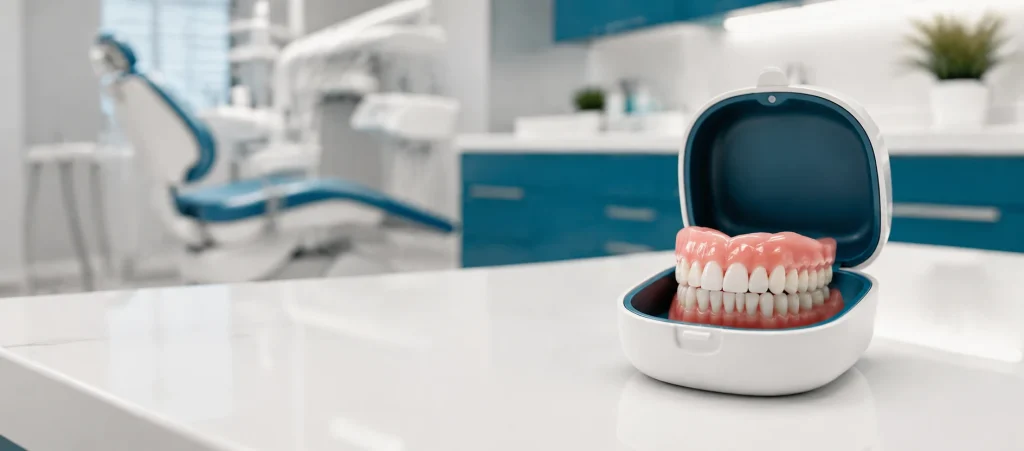
Seniors with dentures or partials must take special care to clean them daily and ensure a proper fit to avoid irritation or infection.
Oral care may also need to be adapted for those with medical conditions like arthritis, which can make brushing and flossing more challenging.
Certain medications can affect oral health by causing dry mouth or increasing the risk of gum problems.
Awareness of these factors and regular communication with your dentist can help mitigate potential complications and ensure optimal care.
Preventative Treatments
Preventive treatments can significantly improve dental health in later life.
Fluoride treatments, for example, strengthen enamel and help prevent decay, while dental sealants can offer extra protection for vulnerable teeth.
Professional cleaning and scaling remain essential to remove plaque and tartar that cannot be eliminated by home care alone.
By combining preventative treatments with daily hygiene practices and regular dental & hygienist visits, seniors can maintain a healthy, confident smile well into their later years.
Conclusion
Good oral health is achievable at any age, provided that consistent care and attention are given.
By following a thorough daily routine, maintaining a balanced diet, attending regular dental appointments, and considering preventative treatments, seniors can enjoy strong teeth and healthy gums.
Prioritising dental care in later life not only preserves a beautiful smile but also supports overall well-being.
Taking proactive steps today ensures that dental problems are minimised and that enjoying food, conversation, and social life remains a pleasure for years to come.