Losing one tooth can feel like a small problem at first, especially if the gap is not always visible. But even one missing tooth can affect how you bite, chew, speak and feel about your smile.
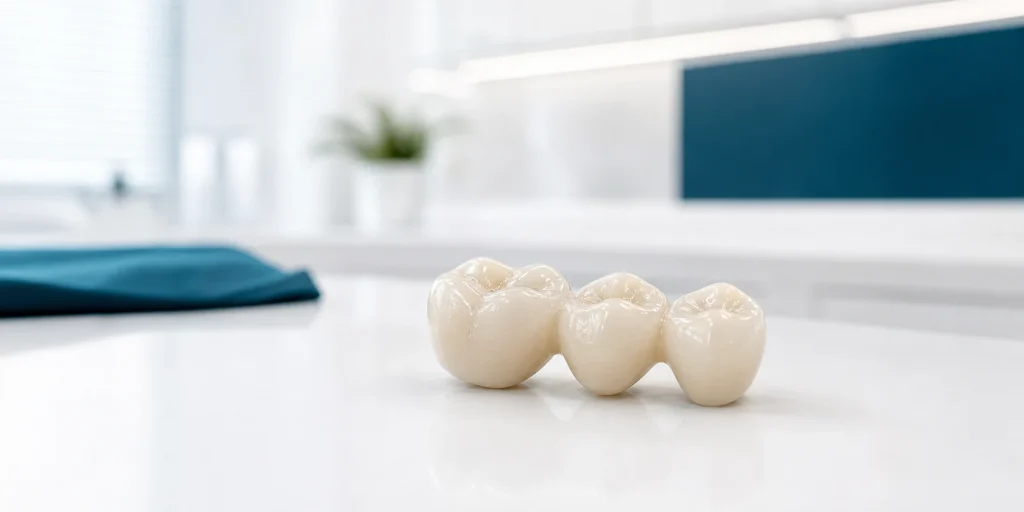
A dental bridge is one of the established ways to replace a single missing tooth. It can fill the space with a fixed restoration that looks and feels natural in everyday use, provided your mouth is suitable for this type of treatment.
Can a bridge replace just one tooth?

Yes, a dental bridge can often replace one missing tooth. In many cases, the bridge includes an artificial tooth that sits in the gap and is held in place by support from the neighbouring teeth. Because it is fixed in position, it does not need to be removed in the way some removable appliances do.
This can make a bridge appealing if you want a stable way to restore one gap and improve how your smile looks. A bridge can also help with chewing because the missing tooth space is no longer left unsupported. Portland Street Dental explains more about dental bridges for missing teeth for patients considering this option.
The right design depends on the tooth that is missing, the condition of the teeth beside the gap and the way your teeth meet when you bite. A bridge is not chosen from appearance alone. It needs to work comfortably with the rest of your mouth.
When a bridge may suit a single gap
A bridge may be suitable when the teeth next to the gap are strong enough to support it. This is particularly relevant if those teeth already need crowns or would benefit from being restored as part of the same plan. In that situation, the bridge can replace the missing tooth while also protecting prepared neighbouring teeth.
It may also be considered when you prefer a fixed replacement and want to avoid leaving a visible space. For many people, the benefit is not only cosmetic. A single gap can change how food is chewed, how pressure is shared across the bite and how confident someone feels when speaking or smiling.
Some patients look at a bridge as part of wider treatment options for missing teeth. Your dentist can explain whether a bridge, denture, implant based solution or another approach is most appropriate for your mouth. The most suitable choice depends on your oral health, your priorities and the clinical findings at your assessment.
What your dentist checks before recommending a bridge

Before recommending a bridge for one missing tooth, your dentist will examine more than the gap itself. They will look at the teeth on either side, the gums, the bite and the general health of your mouth. This helps confirm whether the bridge can be supported well and whether any other treatment is needed first.
The neighbouring teeth are especially important. They need enough healthy structure to hold the bridge securely. If there is decay, cracks, large old fillings or gum concerns, these will need to be considered carefully. Your dentist may also take X rays to assess the roots and the supporting bone.
The bite is another key part of planning. A bridge should feel comfortable when you bring your teeth together and when you chew. If too much pressure falls on the bridge, it may not feel right or may need adjustment. The dentist will also consider the shape and shade of the replacement tooth, especially if the gap is visible when you smile.
Good gum health matters too. A bridge sits close to the gums, so the area needs to be healthy and easy to clean. If your gums are inflamed or bleeding, your dentist may recommend hygiene treatment and a stronger home care routine before moving ahead.
How a bridge restores function and appearance
A well planned bridge can make a single missing tooth feel much less noticeable in daily life. It fills the space, supports your smile and gives you a fixed surface to bite against. For a missing tooth in the smile line, porcelain may be used to help the bridge blend with the surrounding teeth.
Function is just as important as appearance. When a tooth is missing, you may start chewing more on one side or avoiding certain foods. A bridge can help spread biting forces more evenly again, which may make eating feel more natural. It can also help prevent the tongue from constantly finding the gap, something many patients notice after tooth loss.
Appearance is planned around your natural teeth rather than treated as a separate issue. The dentist will look at colour, size, shape and how the replacement tooth sits against the gum. The aim is for the bridge to look balanced with the rest of your smile while still being practical to clean.
If the appearance of your smile is a wider concern, your dentist may also discuss suitable cosmetic dentistry options alongside tooth replacement. This should always be guided by oral health first, so the final result is attractive, stable and comfortable.
Looking after a bridge every day

A bridge is fixed, but it still needs careful daily cleaning. The artificial tooth cannot decay, but the supporting teeth and gums still can. Plaque can collect around the edges of the bridge and underneath the replacement tooth, so your dentist or hygienist will show you how to clean these areas properly.
Many people need to use small brushes, floss aids or other cleaning tools designed to reach under and around the bridge. This can feel unfamiliar at first, but it soon becomes part of a normal routine. Keeping the bridge plaque free helps protect the supporting teeth and keeps the gums healthier.
Regular dental visits are also useful because your dentist can check the bridge, the bite and the condition of the supporting teeth. Hygiene appointments can help you maintain areas that are harder to reach at home. This links closely with preventative dental care, because the aim is to keep the bridge and the rest of your mouth healthy for as long as possible.
Questions to ask at your assessment
If you are considering a bridge for one missing tooth, it helps to ask clear questions during your appointment. Your dentist can then explain what they have found and why they recommend a particular option.
- Are the teeth beside the gap healthy enough to support a bridge?
- Would a traditional bridge, adhesive bridge or another option suit this gap best?
- Will I need any treatment for my gums or neighbouring teeth first?
- How will the bridge be matched to my natural teeth?
- What will I need to do at home to keep it clean?
These questions are useful because they move the conversation from simply filling a space to planning a restoration that fits your mouth properly. A single missing tooth may seem straightforward, but the best result comes from careful assessment and a personalised treatment plan.
- A dental bridge can often replace one missing tooth when the surrounding teeth and gums are suitable.
- Your dentist will check the neighbouring teeth, bite, gums and overall oral health before recommending a bridge.
- A bridge can restore both appearance and chewing function because it is fixed in place.
- Daily cleaning around and under the bridge is important to protect the supporting teeth and gums.
- The right choice depends on your mouth, your priorities and the clinical findings at your assessment.
Frequently asked questions
Is a bridge only for several missing teeth?
No. A bridge can be used for a single missing tooth if the teeth beside the gap can support it and the bite is suitable. Bridges can also be used for larger gaps in some situations, but the design will depend on the number and position of the missing teeth.
Will a bridge look like a real tooth?
A bridge is planned to blend with the surrounding teeth as closely as possible. Your dentist will consider the shade, shape and position of the replacement tooth, especially if the gap shows when you smile.
Do the teeth next to the gap always need treatment?
The teeth next to the gap are important because they may support the bridge. Sometimes they need to be prepared as part of the bridge design. Your dentist will explain why this is recommended and whether other options are suitable.
How do I clean under a dental bridge?
You will usually need specific cleaning tools such as floss aids or small brushes to clean around and under the bridge. Your dental team can show you the technique so you can keep the area clean at home.
Talk to us about replacing one tooth
If you have one missing tooth and want to understand whether a bridge could suit you, Portland Street Dental can assess the gap, explain your options and help you choose a comfortable way forward.