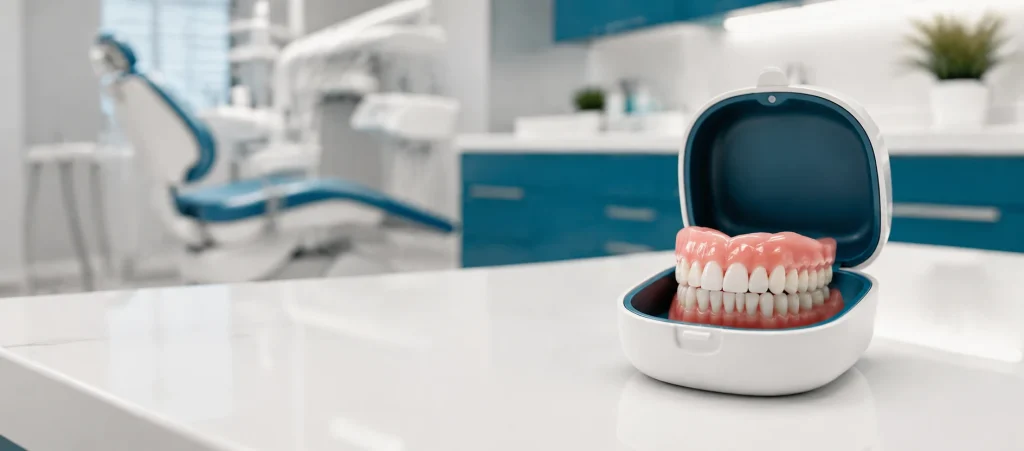
New dentures can make everyday life feel easier again, but it is very common to notice looseness, rubbing or movement in the early stages.
That does not mean your dentures are wrong or that you have to put up with discomfort. In many cases, small professional adjustments can make a clear difference to comfort, speech, chewing and confidence.
Why new dentures may feel loose at first
Dentures sit on soft tissues, gums and the shape of the jaw. Even when they are carefully made, your mouth needs time to adapt to them. The muscles of the cheeks, lips and tongue also need to learn how to help hold them in place during normal movements.
At first, simple actions such as speaking, smiling, swallowing and eating can make new dentures feel as though they are lifting or shifting. This can be frustrating, especially if you expected them to feel secure straight away, but it is a normal part of the settling process for many people.
The fit can also change because the gums and jaw continue to respond after teeth have been removed. The tissues may shrink or remodel, which can create small gaps under the denture base. This is one reason why follow up appointments are so useful after new dentures are fitted.
Another factor is saliva. Some people produce more saliva when a new denture is introduced, while others struggle with dryness. Both can affect how stable the denture feels. A dentist can check whether the issue is part of normal adjustment or whether the denture needs refinement.
The difference between settling in and a poor fit
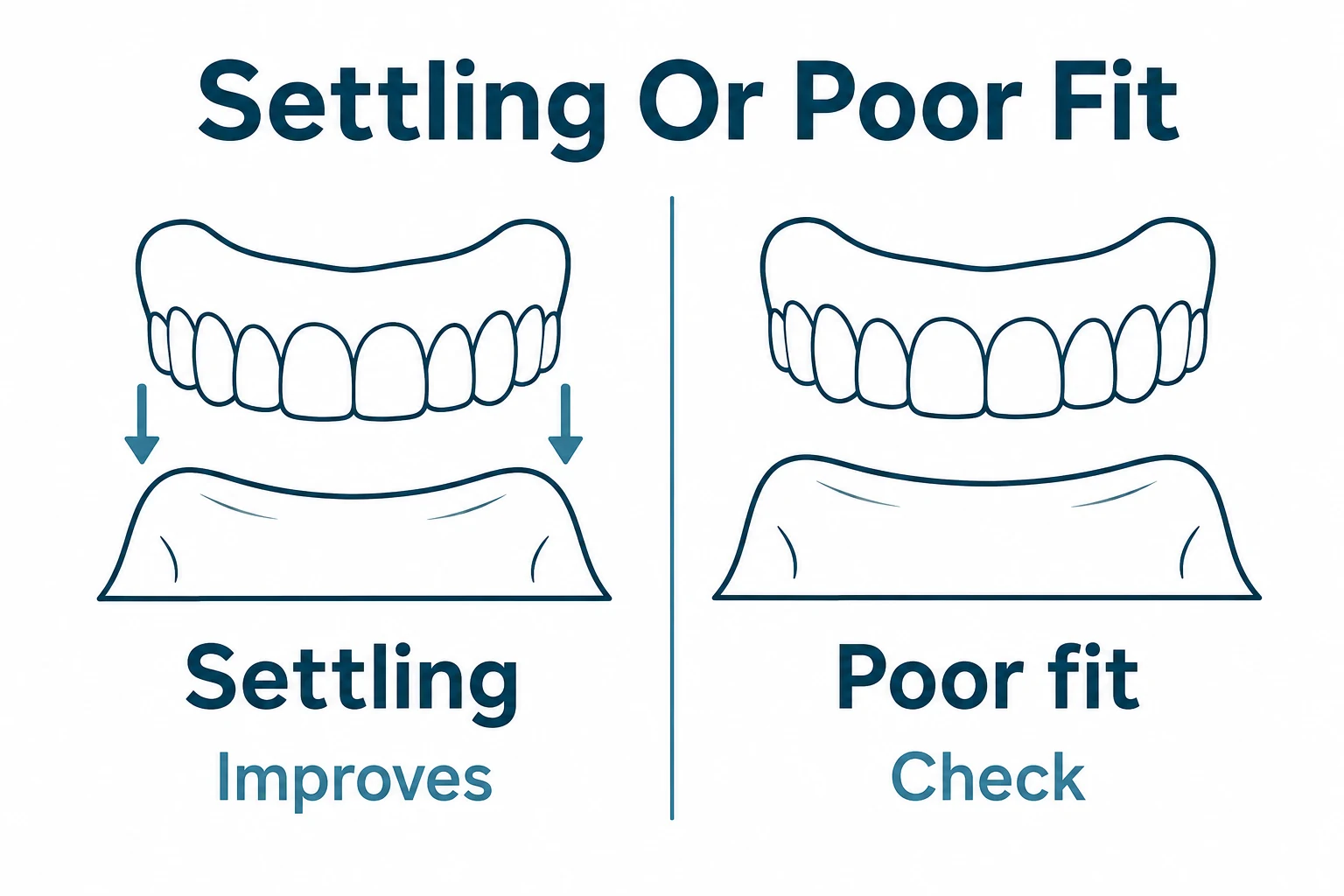
There is a difference between a denture that needs a short adjustment period and one that is not fitting as well as it should. Mild awareness, slight movement and a learning curve with eating are common at the start. Persistent soreness, repeated ulcers, difficulty keeping the denture in place or pain when biting should be checked.
A denture should not feel as though it is fighting against your mouth. If you are avoiding meals, speaking less, using your tongue to constantly hold it down or removing it because of rubbing, it is time to ask for help. Dentists see these problems often, and they can usually identify the cause by checking the bite, the denture base and the way it moves during function.
Sometimes the issue is pressure in one small area. Sometimes the bite is not balanced, so the denture tips when you chew. In other cases, natural changes in the gums mean the denture no longer has the close contact it needs. The right solution depends on what is causing the movement.
If you are replacing teeth for the first time, it can also help to understand the wider impact of gaps on chewing, speech and confidence. Portland Street Dental has more guidance on options for missing teeth, including how dentists assess function as well as appearance.
How dentists improve denture comfort and stability
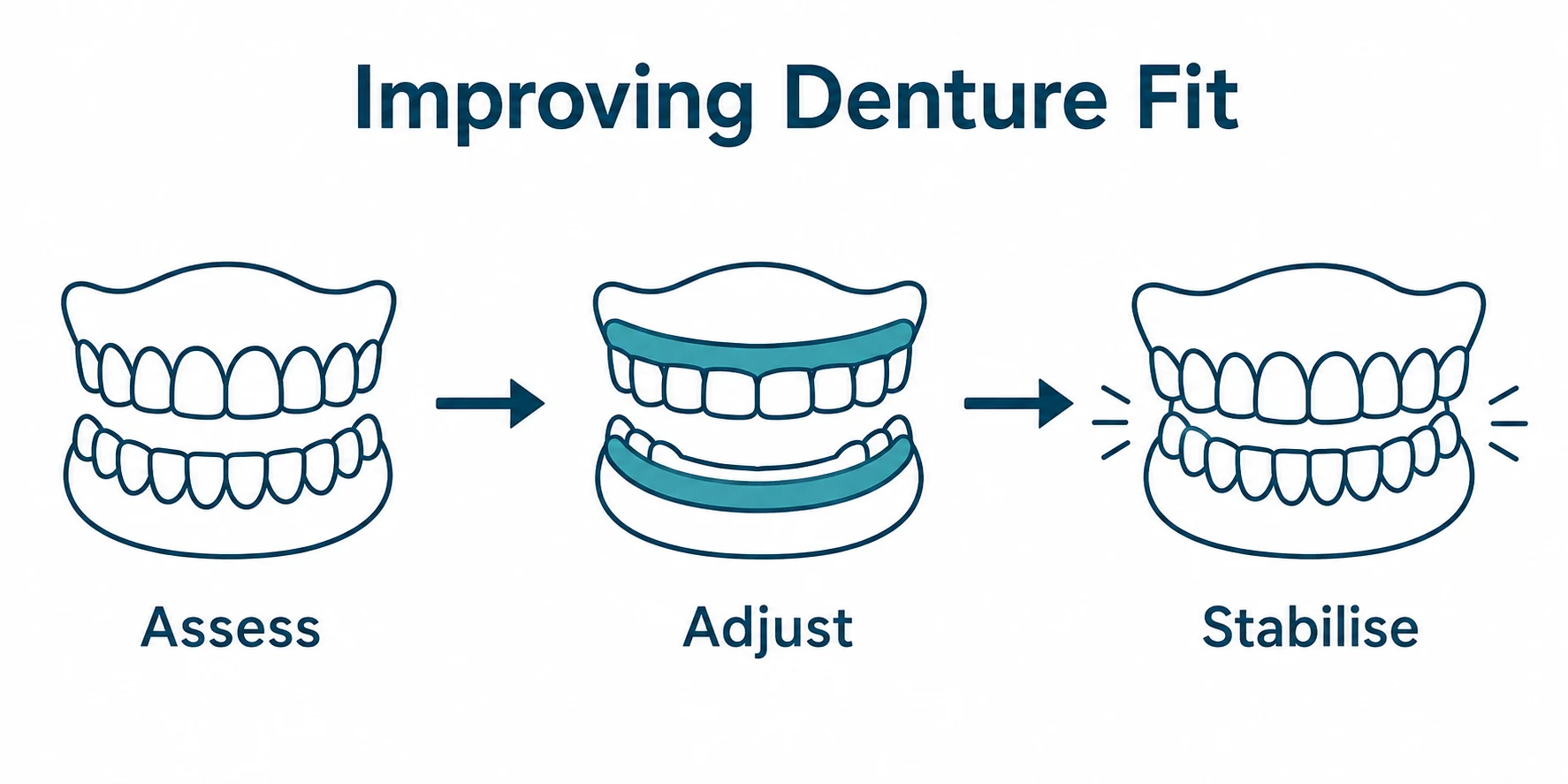
A dentist will usually begin by listening to where and when the denture feels loose. Does it lift when you bite, move when you speak, rub in one area or feel unstable all day? These details help narrow down the cause.
The denture is then checked in the mouth. The dentist may look at sore spots, test the bite, assess how the denture sits at rest and watch how it behaves during movement. Small adjustments can be made to remove pressure points or improve the way the teeth meet.
If the denture base no longer matches the gums closely enough, a reline may be recommended. This means improving the surface that sits against the mouth so it has better contact with the tissues. A reline can often make a denture feel more secure without replacing the whole appliance.
In some situations, a replacement denture may be the better route, especially if the current one is worn, has an uneven bite or no longer reflects the shape of the mouth. A dentist can explain the practical difference between adjustment, reline and replacement so you understand what is most appropriate.
For people exploring new dentures or improvements to an existing set, the dentures treatment page explains how professional denture care can support everyday comfort, eating and appearance.
What you can do while your mouth adapts
There are also simple habits that can make the early stage more manageable. Start with softer foods and cut meals into smaller pieces. Chew slowly and try to use both sides of the mouth, as this helps reduce tipping. As confidence improves, gradually reintroduce firmer foods.
Reading aloud at home can help speech feel more natural. Certain sounds may feel awkward at first because the tongue is adjusting to the new shape in the mouth. With practice, most people find speech becomes clearer and less effortful.
Cleaning is important too. Food debris under a denture can make it feel uncomfortable and may irritate the gums. Remove and clean dentures as advised, and keep the mouth itself clean as part of your daily routine. If you still have natural teeth, gum care and regular checks remain essential.
Avoid trying to adjust dentures yourself. Filing, bending or forcing changes can damage the denture and may make the fit worse. If you are tempted to change something because it is rubbing or unstable, that is a sign to book a professional review.
People in later life may also have extra considerations, such as dry mouth, medication effects and changing gum health. This guide to dental care for seniors gives helpful context on keeping the mouth healthy as needs change.
When denture looseness should be checked
You should arrange a dental appointment if looseness is affecting eating, speech, comfort or confidence. You should also seek advice if you have sore patches that do not settle, ulcers, bleeding, cracks in the denture or a sudden change in fit.
A sudden change can happen for several reasons. The denture may be damaged, the bite may have altered, or the mouth may have changed shape. Weight change, health conditions and some medicines can also affect the soft tissues. A dental review helps separate denture related causes from wider oral health concerns.
Regular check ups matter even if you have no natural teeth. Dentists do not only check teeth. They also assess the gums, soft tissues, jaw, bite and denture condition. This is especially important if you wear dentures every day, because small problems can build gradually before they become obvious.
If missing teeth have affected how you eat, speak or feel in social situations, this article on how missing teeth affect chewing, speech and confidence may help explain why stability and fit are so important.
Why professional care makes the biggest difference
Denture comfort is not only about the appliance itself. It is about the relationship between the denture, the gums, the bite and the muscles of the mouth. That is why professional assessment is so valuable. A dentist can see where the denture is supported well, where it is moving and whether the bite is helping or working against stability.
This matters because looseness can lead to habits that create more discomfort. You might bite carefully on one side, avoid certain foods or hold the denture in place with your tongue. Over time, those adjustments can make eating less enjoyable and speech feel less relaxed.
Good denture care aims to make daily life feel more natural. The goal is not simply to stop movement, but to improve comfort, support, chewing and confidence. Sometimes that takes one small adjustment. Sometimes it takes a planned series of refinements as the mouth settles.
If your dentures feel loose, it is worth treating that as something that can be improved rather than something you must simply tolerate. With the right advice, many denture wearers can feel more secure and comfortable in everyday routines.
- New dentures can feel loose while the mouth, tongue and facial muscles adapt.
- Persistent rubbing, soreness or movement should be checked by a dentist.
- Adjustments, bite refinements or a reline can often improve comfort and stability.
- Good cleaning, gentle practice and regular reviews support better denture function.
- Do not try to alter dentures yourself, as this can damage the fit.
Frequently asked questions
How long does it take for new dentures to feel normal?
Many people need a settling in period while the mouth adapts. If looseness, soreness or difficulty eating continues, a dentist can check the fit and make adjustments where needed.
Should new dentures move when I eat?
A small amount of movement can happen at first, especially while you are learning to chew with them. If they lift, tip or make eating uncomfortable, the bite or fit may need professional attention.
Can a dentist make loose dentures tighter?
Often, yes. Depending on the cause, a dentist may adjust pressure points, improve the bite, recommend a reline or discuss whether a new denture would give better support.
Is denture adhesive a solution for loose dentures?
Adhesive can sometimes help with confidence, but it should not be used to hide a poor fit. If you rely on it every day or still feel movement, it is best to have the dentures assessed.
Get help with denture fit
If your dentures feel loose, uncomfortable or difficult to trust, Portland Street Dental can assess the fit and talk you through the most suitable next step.