Waking up with an aching jaw can feel confusing, especially if the discomfort fades as the day goes on. You may blame your pillow, a stressful week or sleeping awkwardly, but your teeth could be part of the story.
Night time teeth grinding, also called sleep bruxism, can place repeated pressure on your teeth, jaw muscles and jaw joints while you are asleep. The good news is that a dental assessment can often spot the signs early, and a custom night guard can help protect your teeth and support a more comfortable jaw.
What is bruxism?
Bruxism is the habit of grinding the teeth or clenching the jaw. Some people do it during the day when concentrating, driving, working or feeling tense. Others do it during sleep and may have no idea it is happening until a dentist notices changes, a partner hears grinding, or morning symptoms start to appear.
Sleep bruxism is not always a neat side to side grinding movement. It can also involve firm clenching, where the teeth are pressed together for periods of time. That pressure can be considerable, particularly because it happens without conscious control.
Bruxism can affect people in different ways. Some have mild symptoms that come and go. Others develop tooth wear, sensitivity, jaw muscle tenderness, headaches or discomfort around the ears and temples. If you already have jaw joint symptoms, clenching and grinding can make them feel worse, especially during periods of stress, poor sleep or high workload.
It is important to say that bruxism is common and manageable. The aim of treatment is usually to reduce damage, calm symptoms and understand what may be contributing to the habit, rather than make you feel as though you have done something wrong.
Signs your jaw ache could be linked to grinding
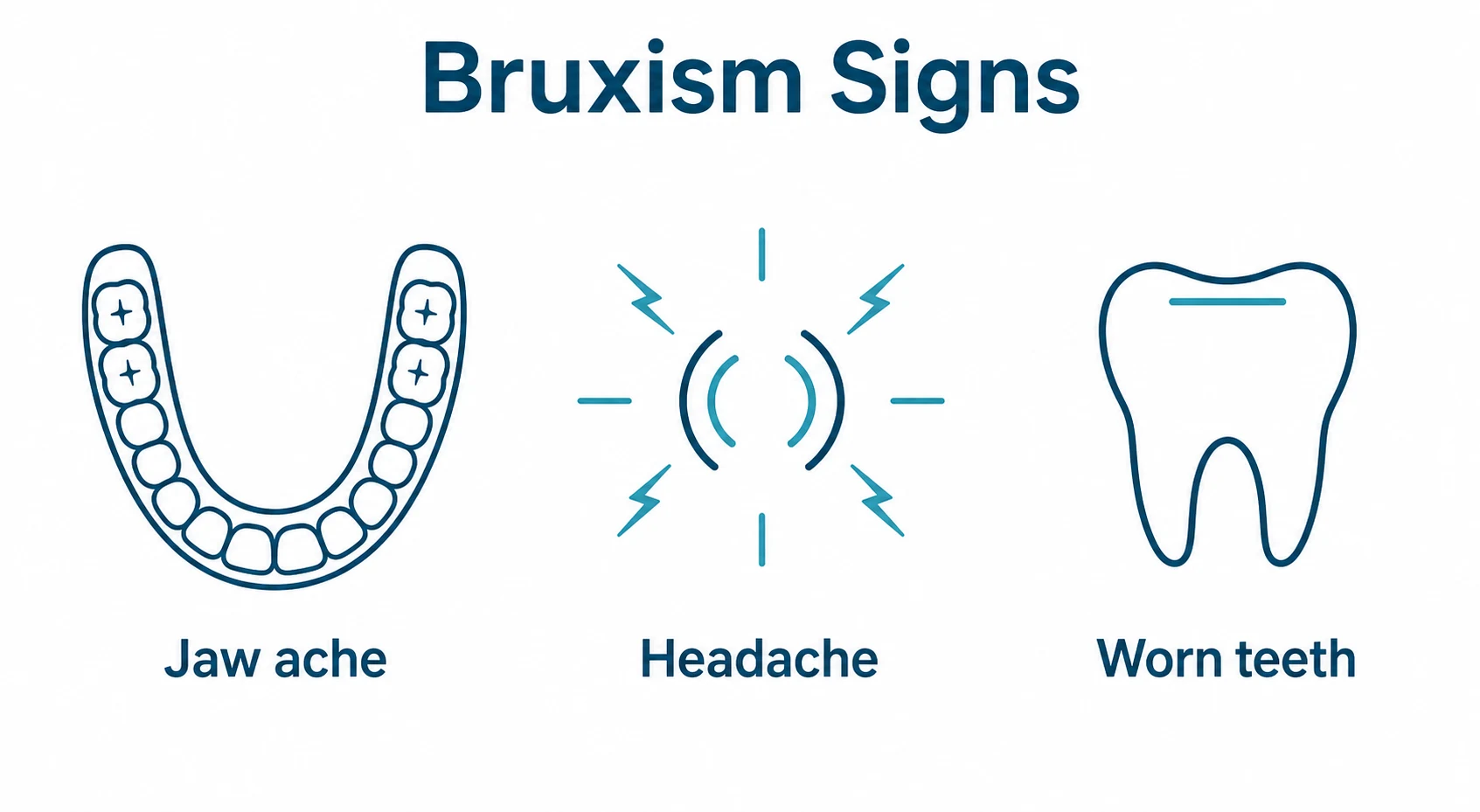
Because sleep bruxism happens while you are asleep, the clues often show up after you wake. A sore or tired jaw in the morning is one of the classic signs. You might notice stiffness when opening your mouth, tenderness when chewing breakfast, or an ache that sits near the temples.
Other signs can include:
- Morning headaches, especially around the temples
- Flattened, chipped or worn tooth edges
- Teeth that feel tender when biting
- Increased sensitivity to cold, sweet foods or brushing
- Small cracks or repeated damage to fillings
- Clicking, popping or grating noises when moving the jaw
- Earache like discomfort without an obvious ear problem
- Disturbed sleep or a partner noticing grinding sounds
Not every aching jaw is caused by bruxism. Jaw discomfort can also be linked to tooth infection, gum problems, bite changes, injury, arthritis, sinus symptoms or habits such as nail biting and chewing pens. That is why assessment matters. Guessing can mean the real cause is missed.
If your main symptom is tooth sensitivity, there may be more than one factor involved. Worn enamel, gum recession, brushing technique and diet can all play a part, so it may be useful to understand how Portland Street Dental approaches sensitive teeth alongside any grinding concerns.
Why grinding can make the jaw feel sore
Your jaw joint works with a group of muscles that open, close and move the lower jaw. When those muscles are active for eating, talking and swallowing, they usually have time to rest. Bruxism can keep them working when they would normally be relaxed.
That extra activity can leave the muscles feeling overworked. The result may be a dull ache, tightness, headaches, facial tenderness or pain that feels worse when chewing. Some people also notice clicking or limited opening, particularly after a night of heavy clenching.
The teeth can also show signs of the pressure. Enamel may become polished or flattened. Small chips can appear at the edges. Existing fillings or crowns may feel under strain. In some cases, tiny cracks can develop, which may lead to tenderness when biting or sudden sensitivity.
Bruxism is often linked with several influences rather than one single cause. Stress, sleep quality, alcohol, caffeine, certain medicines, bite issues and other health factors can all be relevant. A dentist will not simply look at the teeth in isolation. They will consider your symptoms, your jaw movement, the condition of your teeth and whether any other dental issue needs attention.
If you have recurring jaw pain, stiffness or clicking, Portland Street Dental has more information about assessment and care for jaw problems.
What happens during a dental assessment?
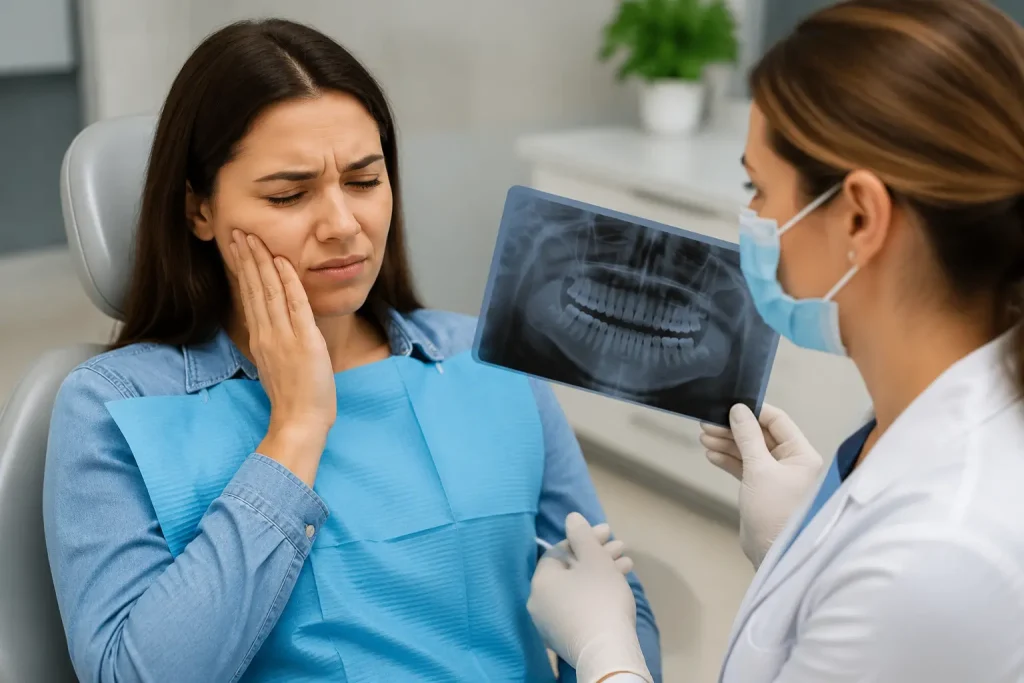
A dental assessment for suspected bruxism is calm, practical and focused on evidence. Your dentist will ask about your symptoms, when they happen, what makes them better or worse, and whether anyone has heard you grinding at night. They may ask about sleep, stress, headaches, previous jaw issues and any recent changes to your teeth or bite.
During the examination, the dentist may check for worn enamel, chipped edges, cracks, tender teeth, damaged fillings, gum recession and signs of sensitivity. They may also feel the jaw muscles, observe how widely and smoothly you can open, and listen for clicks or other joint noises.
This matters because similar symptoms can have different causes. A morning headache and jaw ache may point towards grinding, but a painful tooth on biting could need a different type of treatment. A clicking jaw without pain may need advice and monitoring, while a locked jaw or worsening pain needs more careful assessment.
The appointment is also a chance to talk about habits that may be adding strain. For example, many people hold their teeth together during the day without realising. A healthy resting position is usually lips together, teeth apart, tongue relaxed. Becoming aware of daytime clenching can make a real difference.
If the examination shows that grinding has already affected the teeth, your dentist may explain the options for protecting them and repairing damage where needed. For a broader overview of how different dental issues are assessed, Portland Street Dental also covers common dental problems and how they can be managed.
How a custom night guard helps
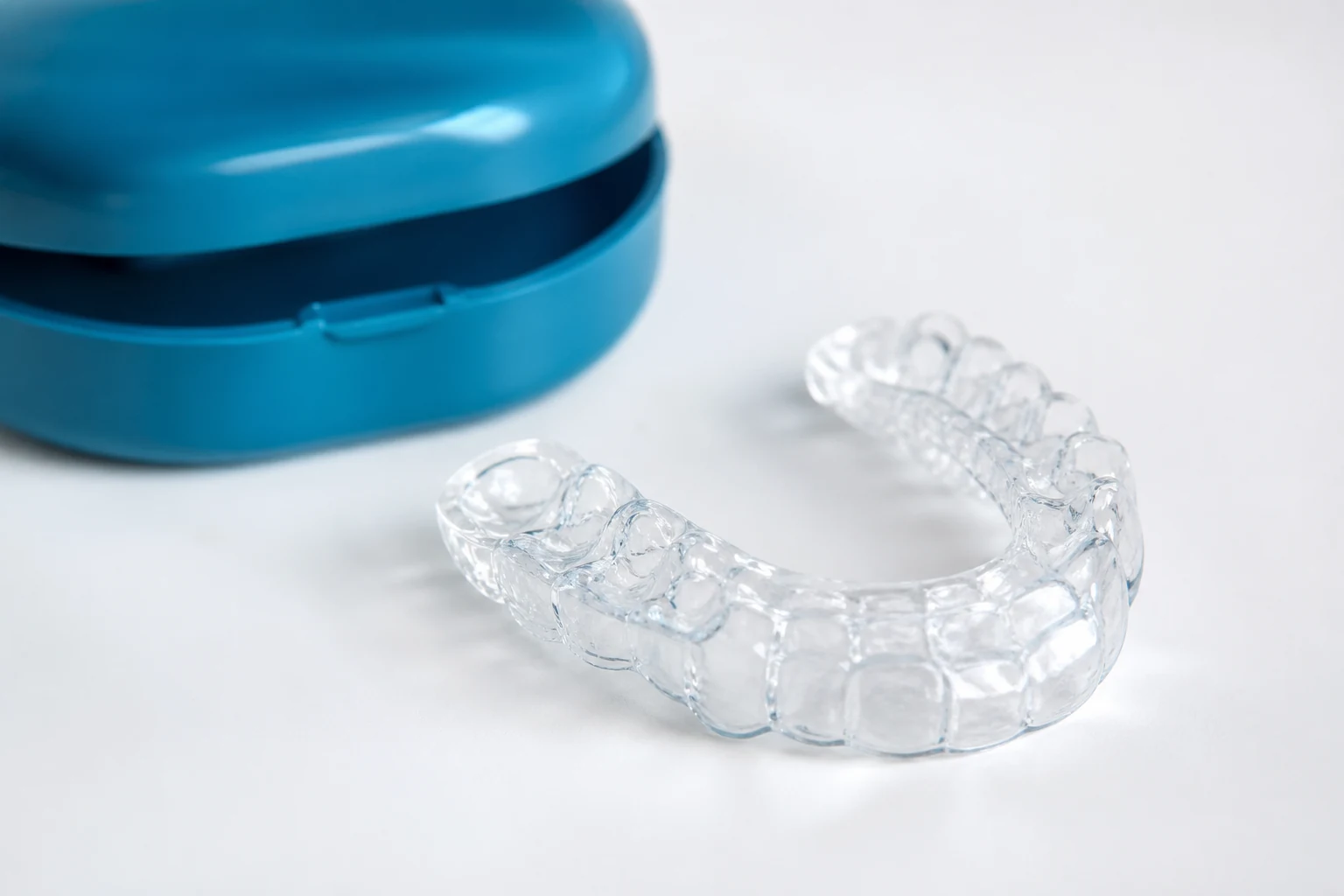
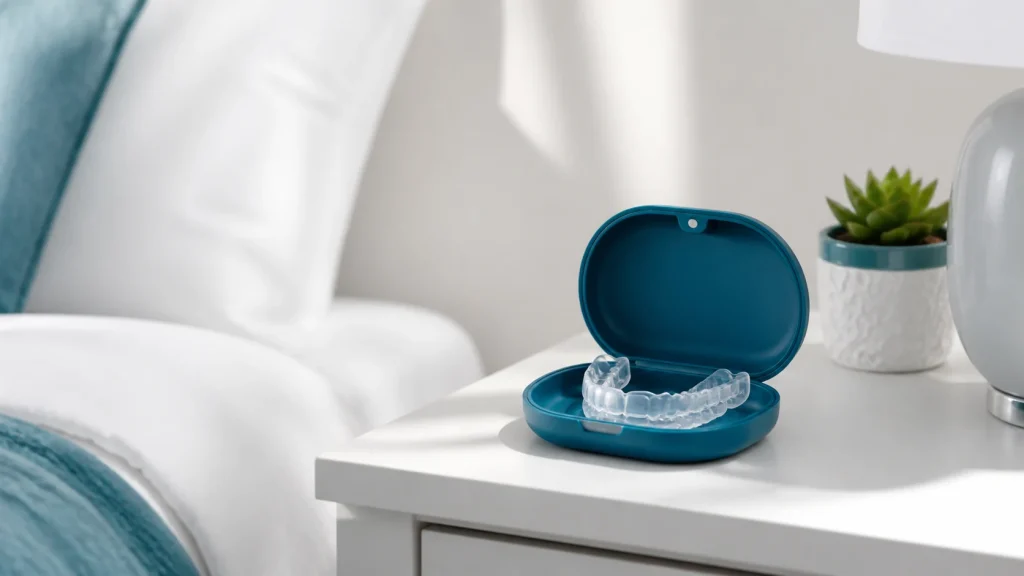
A custom night guard is a dental appliance made to fit your teeth. It is usually worn during sleep and acts as a protective barrier between the upper and lower teeth. It does not switch off bruxism completely, but it can reduce the impact of grinding and clenching on the teeth.
The key benefit is protection. Instead of tooth enamel, fillings or restorations taking the force directly, the guard helps spread and absorb some of that pressure. For many patients, this can reduce further tooth wear and may help the jaw muscles feel less strained in the morning.
Custom fit is important. A dentist made night guard is designed from your mouth, so it should sit securely and comfortably. This is different from a generic guard, which may feel bulky, move during sleep or encourage the jaw to work harder if the fit is poor.
Your dentist will advise on the most suitable design for your teeth, bite and symptoms. Some guards are made for the upper teeth, some for the lower teeth, and the material can vary depending on the situation. You will also be shown how to wear it, clean it and bring it to check ups so the fit and wear can be reviewed.
A night guard is often part of a wider plan. That may include advice on jaw relaxation, avoiding daytime clenching, managing triggers, reviewing worn or sensitive teeth, and keeping an eye on any jaw joint symptoms. The aim is not only to protect the teeth tonight, but to support a healthier pattern over time.
Simple steps that can support your jaw
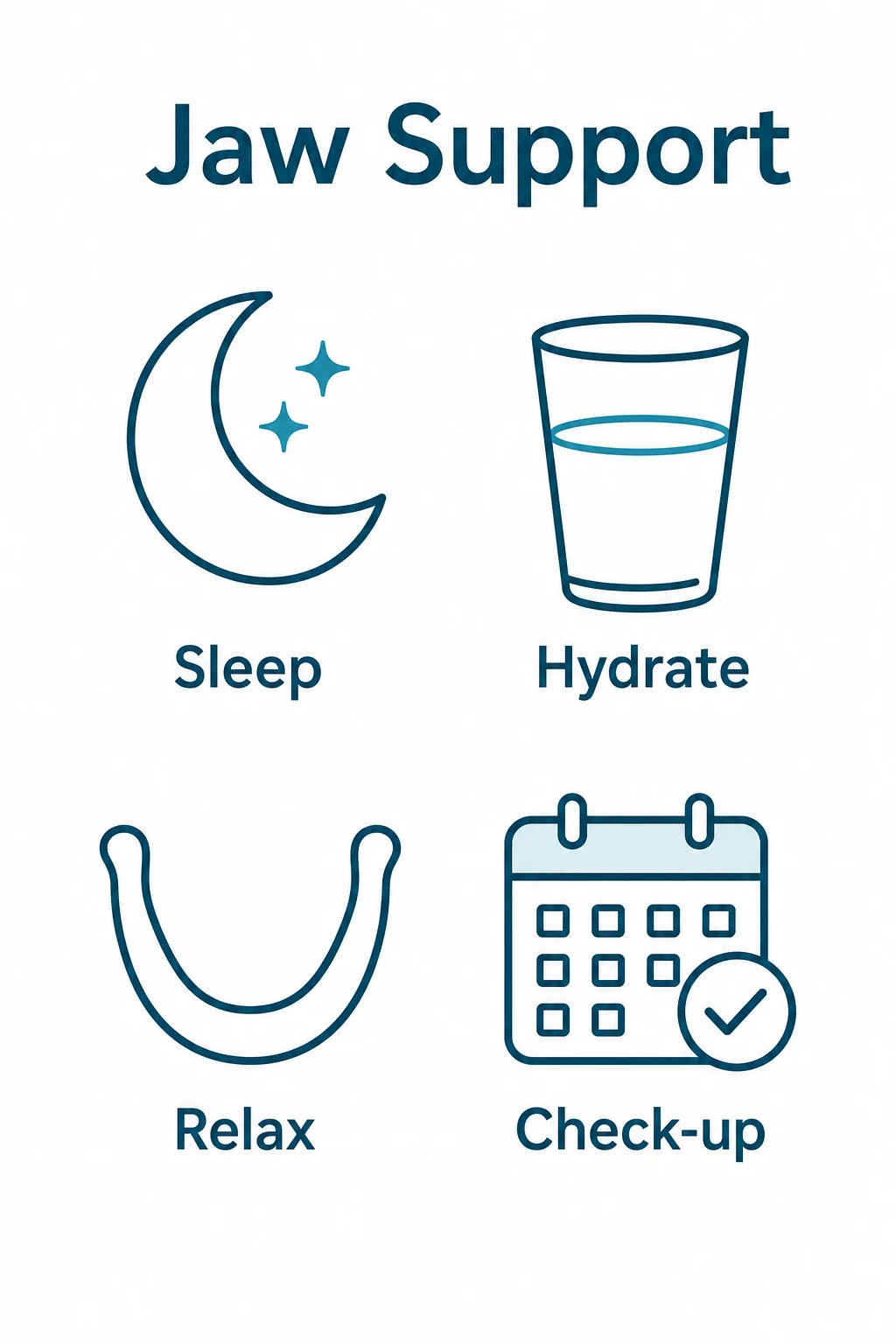
Self care can sit alongside dental treatment, especially if tension or habits are contributing to symptoms. Small changes can help reduce the load on your jaw during the day and before sleep.
Try to notice whether your teeth are touching when you are not eating. If they are, gently let the jaw drop so the teeth separate. Avoid chewing pens, nails or hard objects, as this keeps the jaw muscles active. If your jaw feels tired, choose softer foods for a short period and avoid wide yawning or very chewy meals.
A calm evening routine may also help if grinding worsens during stressful periods. Some people benefit from reducing caffeine later in the day, limiting alcohol before bed, taking screen breaks, or using relaxation techniques that help the shoulders, neck and jaw unwind.
Gentle warmth over the jaw muscles can feel soothing for some people, but avoid forcing stretches or trying to click the jaw into place. If pain is severe, your mouth locks, swelling appears, you have toothache that does not settle, or you suspect a cracked tooth, arrange a dental assessment promptly.
Bruxism is easier to manage when you understand what is happening. If you are waking with jaw ache, headaches or teeth that feel under pressure, a check up can give you clear answers and a practical way forward.
- Night time grinding can cause morning jaw ache, temple headaches, tooth wear, chips and sensitivity.
- A dental assessment helps confirm whether bruxism is involved and checks for other causes of jaw or tooth pain.
- A custom night guard does not stop grinding entirely, but it can protect teeth and reduce the impact of clenching forces.
- Daytime habits, stress, sleep quality and jaw posture can all influence symptoms, so practical advice matters too.
- Early support can help protect enamel, fillings and the jaw joint before symptoms become more disruptive.
Frequently asked questions
Can I grind my teeth without knowing?
Yes. Many people grind or clench during sleep and only become aware when they wake with jaw ache, develop headaches, notice worn teeth, or a partner hears the noise.
Will a night guard stop me grinding my teeth?
A night guard usually protects the teeth rather than stopping the habit completely. It creates a controlled barrier between the teeth and helps reduce damage from grinding and clenching.
Is jaw clicking always a problem?
Not always. Some clicking can be painless and stable. However, clicking with pain, locking, limited opening or worsening symptoms should be assessed by a dentist.
When should I book an appointment for jaw ache?
Book an assessment if jaw ache keeps returning, is worse in the morning, comes with headaches, affects chewing, or appears alongside tooth sensitivity, chips, cracks or worn edges.
Concerned about morning jaw ache?
If you think night time grinding may be affecting your teeth or jaw, Portland Street Dental can assess the signs and talk you through suitable protection, including a custom night guard where appropriate.