Porcelain veneers are a popular cosmetic dental treatment designed to enhance the appearance of your smile.
They are thin, custom-made shells crafted from high-quality porcelain that cover the front surface of your teeth, improving issues such as discolouration, chips, gaps, and minor misalignments.
Many patients opt for veneers because they offer a natural-looking, long-lasting solution that can dramatically boost confidence and aesthetics.
Although the procedure is relatively straightforward, fitting porcelain veneers requires careful planning and precision to ensure the best results.
Understanding the process can help ease any apprehensions and prepare you for what to expect when you decide to embark on your smile transformation journey.
Initial Consultation
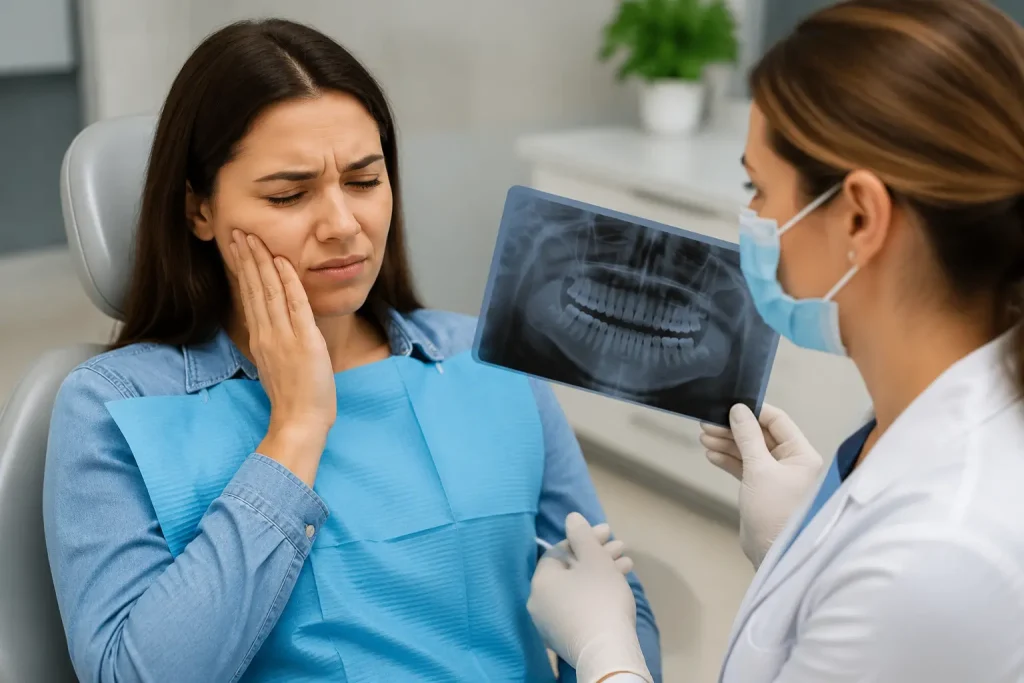
The process begins with an initial consultation, during which your dentist will assess the overall health of your teeth and gums to determine if you’re a suitable candidate for veneers.
Good oral health is essential because any existing issues, such as decay or gum disease, must be treated before veneers can be fitted.
During this visit, your dentist will also discuss your goals and what you hope to achieve with your new smile.
This is the perfect opportunity to ask questions and learn about the different options available.
Your dentist will outline the procedure in detail, discuss the expected timeline, and explain any alternatives that might be better suited to your needs.
This thorough consultation ensures you are fully informed and comfortable before proceeding.
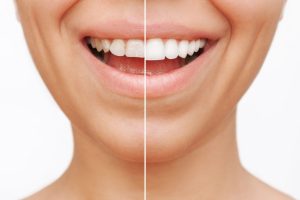
Smile Design & Preparation
Once you decide to move forward, the next step involves designing your new smile. Using digital imaging technology or physical mock-ups, your dentist can provide a preview of how the veneers will look, helping you to visualise the outcome.
This collaborative approach allows you to give feedback on the shape, size, and style of the veneers to ensure they complement your facial features.
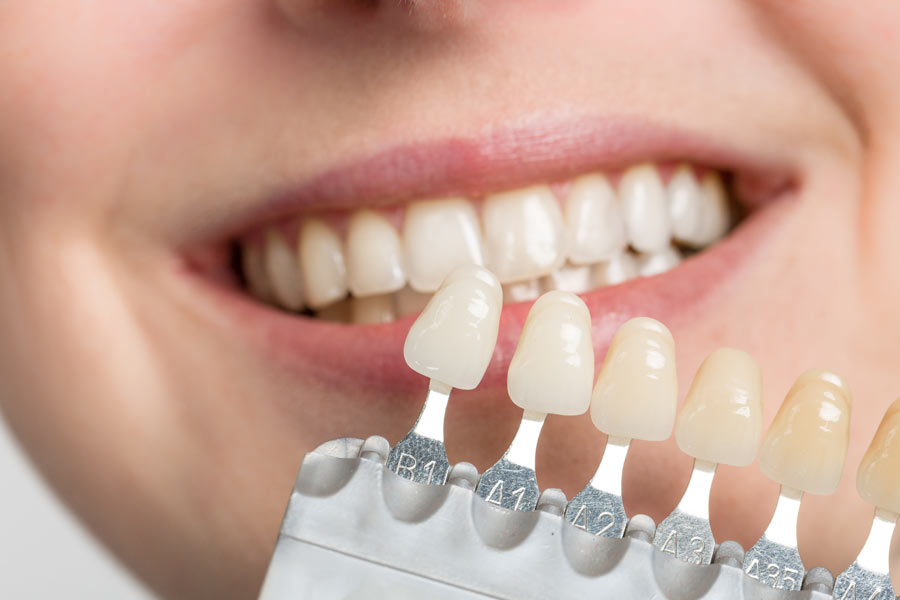
The preparation phase includes selecting the perfect shade of porcelain to match or enhance your natural teeth. To create space for the veneers, your dentist will carefully reshape a small amount of enamel from the front surface of your teeth.
This process is usually painless and helps the veneers sit comfortably and securely without adding bulk.
Taking Impressions
After your teeth are prepared, accurate impressions or moulds of your mouth will be taken. These impressions are essential as they provide a precise blueprint for the dental laboratory, where skilled technicians will craft your custom veneers.
Increasingly, many practices use digital scanners to create these impressions, which can be more comfortable and quicker than traditional methods.
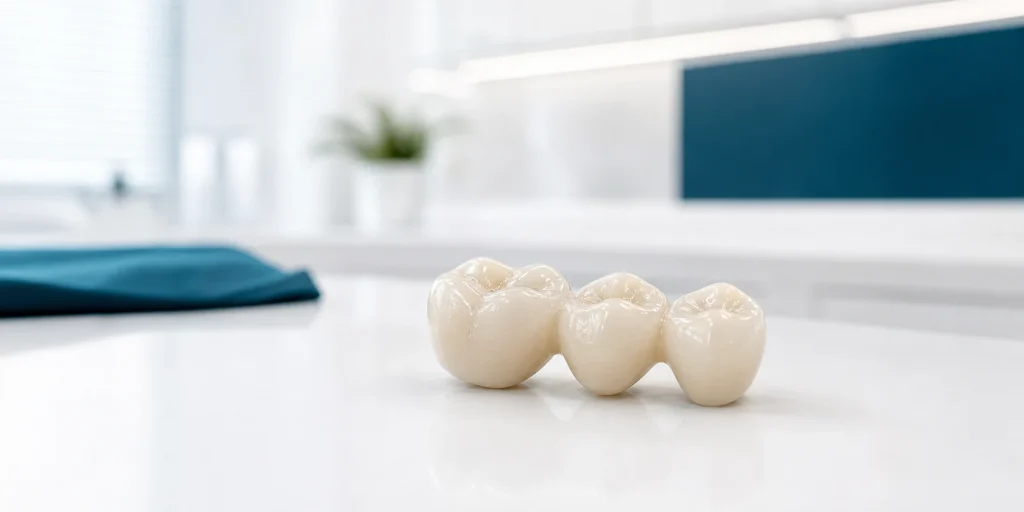
The laboratory then uses these models to create veneers tailored exactly to your teeth’s size, shape, and colour preferences.
This stage usually takes a couple of weeks, during which time you may be fitted with temporary veneers to protect your teeth and help you get used to the new look.
Temporary Veneers
Temporary veneers act as a protective layer for your reshaped teeth while your permanent veneers are being made. They help to prevent sensitivity and keep your teeth safe from damage or staining.
Additionally, wearing temporaries gives you a chance to see how the final veneers might look and feel, allowing any concerns to be discussed with your dentist before the permanent ones are fitted.
While wearing temporary veneers, it’s important to take extra care with your oral hygiene and avoid hard or sticky foods that could dislodge or damage them.
Your dentist will provide guidance on how best to look after them and ensure they remain intact during this interim period.
Fitting the Porcelain Veneers
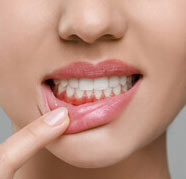
When your bespoke porcelain veneers are ready, you will return to the clinic for the fitting appointment.
Your dentist will first perform a trial fitting to check the shape, size, and colour of the veneers against your natural teeth. This step ensures that the veneers look natural and harmonious within your smile.
If necessary, small adjustments can be made for comfort and aesthetic balance.
Once you and your dentist are happy with the fit, the veneers will be permanently bonded to your teeth using a specialised dental cement and cured with a light to harden the adhesive quickly.
This process securely attaches the veneers while maintaining their natural translucency and strength.
Final Adjustments & Aftercare
After the veneers are bonded, your dentist will check your bite to ensure it feels comfortable and make any fine adjustments needed. This careful attention helps prevent any issues such as uneven wear or discomfort when chewing.
You will then be advised on how to maintain your veneers and keep your mouth healthy, including tips on brushing, flossing, and avoiding habits that might damage the veneers.
Regular dental check-ups are essential to monitor the condition of your veneers and overall oral health.
With proper care, porcelain veneers can last for many years, allowing you to enjoy a bright, beautiful smile well into the future.
Conclusion
The fitting of porcelain veneers is a meticulous process that involves several stages, each designed to ensure a flawless and natural-looking result.
From the initial consultation and smile design to the final bonding and aftercare, every step plays a crucial role in creating the smile you desire.
Choosing an experienced dentist will help you achieve the best possible outcome with minimal discomfort.
If you are considering porcelain veneers and would like to learn more about the process or schedule a consultation, please don’t hesitate to contact your local cosmetic dentist.
A tailored treatment plan can be designed to suit your individual needs and help you take the first step towards a confident, radiant smile.