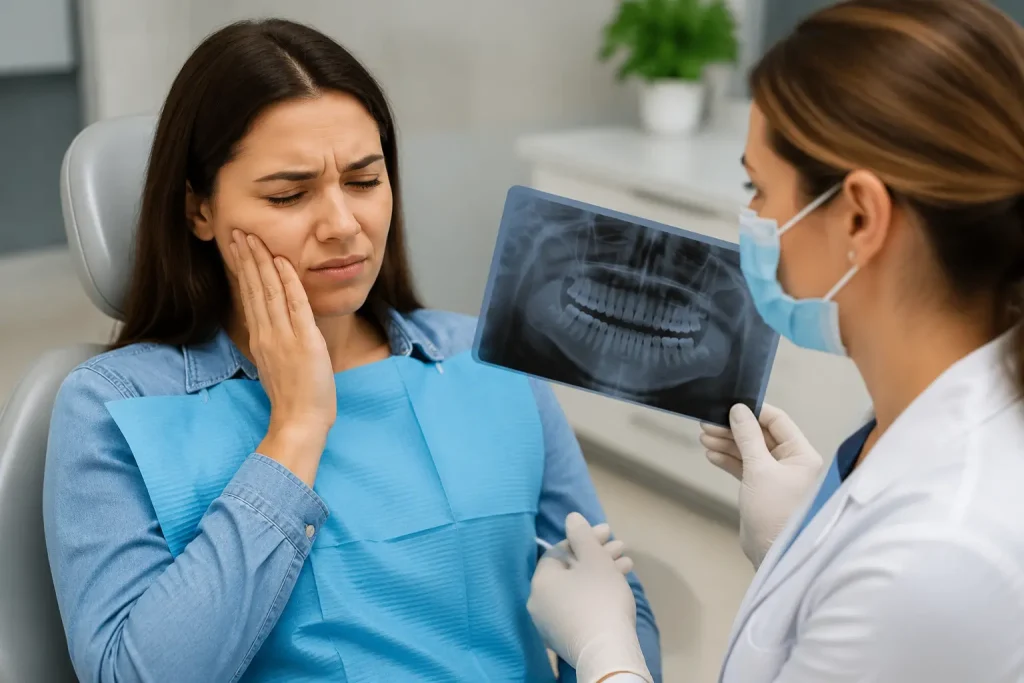
Choosing between private and NHS dental care is a significant decision that can impact both your oral health and finances. As we move onto 2026, the dental landscape continues to evolve, with ongoing challenges in NHS dentistry and an increasing shift towards private practices.
Here, we’ll explore key considerations to help you decide which option suits your needs best.
Accessibility and Waiting Times
Access to timely dental care remains a pressing concern for many in the UK.
- NHS Dentistry: The NHS is facing unprecedented demand, with reports of significant waiting times. Many patients are struggling to secure routine check-ups or treatments, with some being told they may need to wait until the following year for an appointment. This delay can lead to worsening oral health and more complex treatments in the future.
- Private Dentistry: Private practices typically offer quicker access to appointments. Whether for a routine check-up or urgent care, private dentists often have more availability, ensuring you receive timely treatment. This accessibility can be a crucial factor for those prioritising convenience and continuity of care.
Quality of Care and Treatment Options
The scope and quality of dental care differ between NHS and private providers.
- NHS Dentistry: While NHS dentists provide essential services, budget constraints mean that the range of treatments available can be limited. Options such as cosmetic dentistry or advanced restorative work may not be covered under NHS guidelines, leaving patients to seek private alternatives for these services.
- Private Dentistry: Private practices often boast access to the latest technology and a wider variety of treatments. From advanced cosmetic procedures like teeth whitening and veneers to cutting-edge orthodontics, private dentists can offer a more tailored and comprehensive service.
- Patients benefit from a personalised approach, with greater flexibility to choose treatments that best meet their needs.
Payment Plans and Financial Considerations
Financial factors play a significant role when deciding on dental care.
- NHS Dentistry: NHS dental treatments are structured into bands, making them more affordable for many. However, the shortage of NHS dentists has driven some patients to consider private care, especially when faced with lengthy waiting times.
- Private Dentistry: Many private practices now offer flexible payment plans to make dental care more accessible. For instance, options like Bupa’s Smile Plan allow patients to spread the cost of routine care over monthly payments, covering check-ups, hygiene visits, and X-rays. Additionally, schemes like Denplan enable patients to budget for a wide range of treatments, ensuring predictable costs and peace of mind.
Availability of Dentists
The availability of dental professionals is another critical factor.
- NHS Dentistry: A shortage of NHS dentists has left many areas without sufficient coverage. Nine out of ten NHS dental practices in some regions are not accepting new adult patients, creating “dental deserts” across the UK.
- Private Dentistry: Private practices, on the other hand, are often more accessible, accepting new patients without the long delays typical of NHS services. This increased availability allows patients to build long-term relationships with their dentist, ensuring continuity of care.
Conclusion
The decision to choose between private and NHS dentistry depends on your priorities. While NHS services remain vital for many, ongoing challenges such as long waiting times, limited treatment options, and a shortage of available dentists have made private dentistry an increasingly attractive option.
Private dental care offers prompt appointments, a broader range of treatments, and flexible payment plans, making it a viable solution for maintaining optimal oral health. If accessibility and personalised care are high on your priority list, private dentistry may be the better choice for you in 2026.
If you are looking for a Dentist in Southampton, Get in touch with us today.