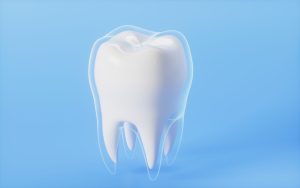
Tooth enamel is the thin yet incredibly strong outer layer of your teeth, acting as the body’s first line of defence against cavities, sensitivity, and decay.
Although it is the hardest substance in the human body, enamel is not indestructible. Over time, it can wear away due to exposure to acids, sugars, and everyday eating habits.
What makes enamel erosion particularly concerning is that once enamel is lost, it cannot regenerate. Unlike bone or skin, enamel has no living cells, so the body cannot repair it naturally.
This makes prevention the most effective way of maintaining healthy teeth. Surprisingly, it is not always the obvious “unhealthy” foods that cause damage—many everyday foods we enjoy regularly can weaken enamel without us realising.
Why Enamel Matters
Enamel plays a vital role in protecting the softer inner layers of the teeth. Without it, the sensitive dentine beneath is left exposed, often leading to discomfort when eating or drinking hot, cold, or sweet items.
Beyond sensitivity, worn enamel leaves teeth more prone to cavities, staining, and even structural damage over time.
It is also important to distinguish between tooth decay and enamel erosion. Decay is typically caused by bacteria feeding on sugar, which then produces acid that attacks the teeth.
Erosion, on the other hand, is the direct result of acidic substances wearing away enamel, even in the absence of bacteria.
Understanding this difference helps us see why seemingly harmless foods can still have a lasting effect on our oral health.
5 Everyday Foods That Can Damage Enamel
Citrus Fruits
Citrus fruits such as oranges, lemons, and grapefruits are widely considered healthy because they are packed with vitamin C and antioxidants. However, their high acidity can gradually soften and wear down enamel when consumed frequently.
Even fresh fruit juices, which many people assume are a healthy choice, can be just as erosive due to their concentrated acid content.
This doesn’t mean citrus should be avoided entirely—it remains an important part of a balanced diet. However, it is wise to consume it alongside meals rather than as a standalone snack, and to rinse your mouth with water afterwards.
It is also best to wait at least half an hour before brushing, as brushing immediately after exposure to acid can cause further enamel loss.
Fizzy Drinks
Fizzy drinks, whether sugary or sugar-free, are one of the most common causes of enamel erosion. Their acidity comes from carbonation, and when combined with high sugar levels in regular varieties, the double impact can significantly weaken enamel.
Even diet or “zero” versions are far from harmless, as the acidic fizz itself is enough to cause damage over time.
The frequency of consumption is key. Sipping fizzy drinks throughout the day prolongs the exposure of teeth to acid, increasing the risk of erosion.
A practical step to reduce harm is to drink them in moderation, ideally with a straw, and follow up with water or milk. For better oral and general health, it’s best to limit fizzy drinks altogether.
Dried Fruits
Dried fruits such as raisins, apricots, and figs often carry a reputation as a healthier alternative to sweets. While they may provide fibre and nutrients, they also contain concentrated sugars and have a sticky texture that clings to teeth.
This means the sugars remain on the enamel for longer periods, feeding bacteria and leading to acid production.
Another problem is that dried fruits are often eaten as snacks between meals, which increases the time teeth are exposed to sugar and acid. To protect enamel, it’s best to enjoy dried fruit in moderation and ideally alongside main meals rather than alone.
Drinking water afterwards can help wash away lingering sugars and reduce the risk of enamel damage.
Vinegar-Based Foods
Vinegar is another everyday item that poses a risk to enamel due to its high acidity. Foods such as pickles, salad dressings, and sauces often contain vinegar, and repeated consumption can gradually wear down enamel.
Even healthy meals with frequent use of vinaigrette dressings can contribute to enamel erosion if eaten regularly.
This doesn’t mean vinegar needs to be eliminated from the diet, but it is helpful to be mindful of how often it appears in meals. Pairing vinegar-based foods with enamel-friendly options such as cheese, milk, or other alkaline foods can help balance the acids.
Drinking water after meals is another simple step to protect enamel while still enjoying these flavours.
White Bread and Refined Carbohydrates
Refined carbohydrates, such as white bread, pastries, and crackers, are quickly broken down into sugars by saliva. These sugars feed bacteria in the mouth, leading to acid production that can attack enamel.
The soft texture of white bread also means it tends to stick to the grooves and gaps in teeth, where it can linger and increase the risk of damage.
Swapping to wholegrain options is not only healthier for the body but also better for oral health. Wholegrain breads are less likely to stick and have a lower impact on enamel.
Maintaining good brushing and flossing habits, especially after eating starchy foods, is another effective way to protect teeth from the hidden risks of refined carbohydrates.
How to Protect Your Enamel
The good news is that you do not need to avoid these foods entirely. The key is to limit how often you consume acidic and sugary items and to be mindful of your eating habits.
Rinsing your mouth with water after consuming enamel-weakening foods, waiting before brushing, and avoiding frequent snacking all make a significant difference.
Using fluoride toothpaste is another crucial step, as fluoride helps strengthen enamel and makes it more resistant to acid attacks.
Regular dental check-ups are equally important, as your dentist can detect early signs of erosion and provide tailored advice to prevent further damage.
By combining daily care with professional support, you can keep your enamel strong and healthy.
Conclusion
Protecting your enamel is less about cutting out foods completely and more about managing how you consume them. By being aware of which everyday foods and drinks can pose a risk, you can make small adjustments to your routine that add up to long-term protection.
Moderation, good hygiene habits, and a mindful approach to eating go a long way in preserving a healthy smile.
If you are concerned about enamel erosion or want advice tailored to your lifestyle, booking a check-up with your dentist is the best next step.
They can assess the condition of your teeth, provide preventative treatments if needed, and help you keep your smile strong for years to come.