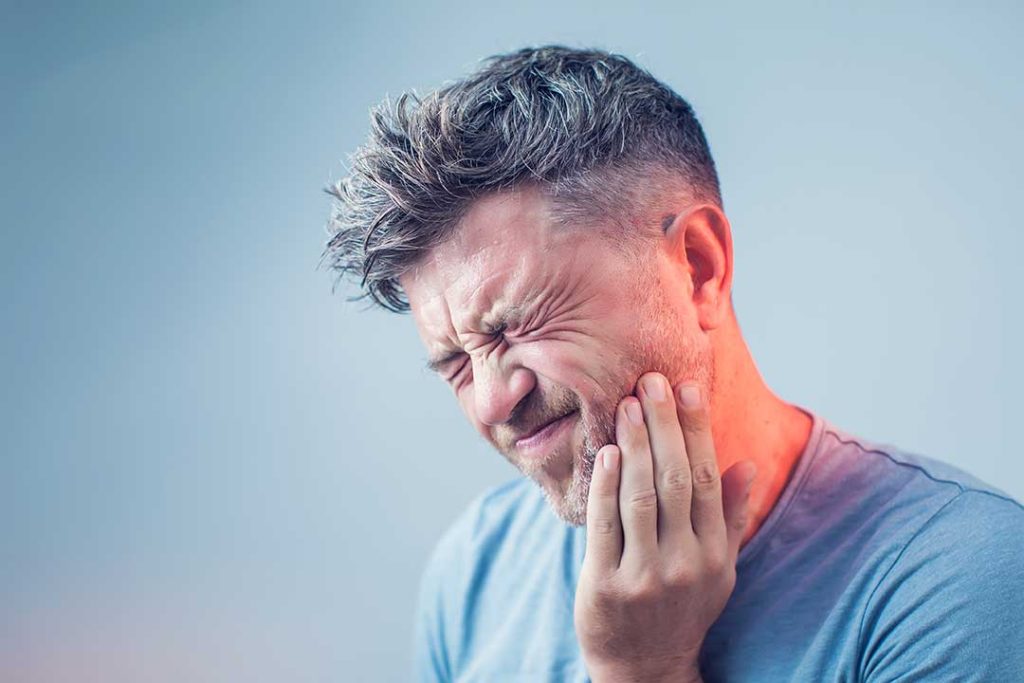
When you are in severe dental pain or have had an accident involving your teeth, it can feel frightening and overwhelming. Acting quickly – and knowing what to do before you reach the dentist – can make a real difference to your comfort and the outcome of your treatment.
This guide explains what counts as a dental emergency, the first steps you should take, and how to prepare for an emergency visit to Portland Street Dental.
What counts as a dental emergency?
Not every chipped tooth is an emergency, but some situations need urgent attention. According to NHS guidance, you should seek an emergency dental appointment or advice from NHS 111 if you:
have a knocked-out tooth or other dental injury
have severe pain that affects your sleep or daily activities and is not helped by painkillers
notice a painful lump or swelling in your mouth
have had a tooth removed and now have severe pain or bleeding that will not stop
If you have swelling that affects your breathing or swallowing, a high temperature and feel very unwell, or have serious facial trauma, you should go straight to A&E or call 999
First steps: who to contact
If you are a patient of Portland Street Dental, call the practice as soon as you can. Let the reception team know that it is an emergency so they can prioritise you where possible.
Be ready to explain:
where the pain or problem is
how long it has been going on
whether there is any facial swelling, bleeding or recent injury
if you have had treatment on that tooth recently
If the surgery is closed or you are not registered with a dentist, NHS advice is to call NHS 111 or use 111.nhs.uk for urgent dental triage and to be directed to the most appropriate service.
Managing pain and symptoms before your appointment
While you are waiting to be seen, there are sensible steps you can take at home:
Take over-the-counter pain relief such as paracetamol or ibuprofen if you can safely do so, always following the instructions on the packet and checking they are suitable for you.
Use a cold compress on the outside of your cheek for swelling – wrap ice in a cloth, do not apply it directly to the skin.
Try to keep your head slightly raised when resting, which can help reduce throbbing.
Avoid very hot, very cold or sugary food and drinks on the affected side.
Do not place aspirin directly on the gum or tooth, do not attempt to drain any swelling yourself and never try to pull out your own tooth. These can all make the situation worse and increase the risk of serious infection
Special situations and what to do
Knocked-out adult tooth
A completely knocked-out adult tooth is always an emergency, and time is critical. NHS advice is to:
- Find the tooth and hold it by the crown, not the root.
- If it is dirty, rinse it gently in milk, saline or your own saliva – do not scrub or use soap.
- Try to put it back into the socket, then bite gently on a clean cloth to hold it in place.
- If you cannot reinsert it, place it in milk or saliva and see a dentist as soon as possible.
- Never try to put a baby tooth back in, as this can damage the adult tooth developing underneath.
Broken tooth or lost filling
If a tooth breaks or a filling falls out:
- Rinse your mouth gently with lukewarm water.
- If there is a sharp edge cutting your tongue or cheek, you can place a little sugar-free chewing gum or dental wax over it as a temporary measure.
- Avoid chewing on that side of your mouth until you have seen the dentist.
Bleeding after an extraction
A slight ooze and pink saliva are normal after an extraction. However, continuous or heavy bleeding that does not slow after biting on a clean gauze pad or handkerchief for 20–30 minutes is classed as an emergency, and you should seek urgent dental advice.
Information to have ready for the dentist
Having a few details prepared can help the team act quickly and safely when you arrive:
A short note of your main symptoms – where the pain is, when it started, anything that makes it better or worse.
Any recent injuries (sports, falls, accidents) or recent dental treatment in the same area.
A list of your current medicines, including blood thinners, and any known allergies.
Any previous problems with local anaesthetic, sedation or antibiotics.
If you wear dentures, braces, a mouthguard or any other appliance connected to the problem, bring these with you. If you have broken or knocked out part of a tooth, bring any fragments or the tooth itself stored safely, as your dentist may be able to use or assess them.
Preparing children for an emergency appointment
Dental emergencies can be especially upsetting for children. Try to:
Explain simply that the dentist is going to help stop the pain and fix the tooth.
Avoid scary language – talk about “sore teeth” and “special medicine” rather than injections or drills.
Bring a favourite toy, blanket or headphones to help them feel more secure in the waiting room.
Let the practice know when you book if your child is very nervous or has additional needs, so extra time and support can be arranged.
A calm, reassuring tone – even if you are worried yourself – can make the visit much smoother for them.
What to expect at Portland Street Dental in an emergency
At Portland Street Dental, the first priority in an emergency is always to relieve your pain and deal with the immediate problem. As a private practice offering general, cosmetic and restorative care, the team is used to handling a wide range of urgent issues, from severe toothache and broken teeth to infections and trauma.
At your appointment you can usually expect:
- A focused discussion of your symptoms and medical history.
- A careful examination of the problem area, often with an X-ray.
- Immediate treatment aimed at stabilising the situation – for example a temporary filling or dressing, smoothing a sharp edge, draining an abscess, or extracting a tooth where necessary.
- Clear advice on any medicines prescribed and what to do next.
Once the crisis is under control, your dentist will discuss longer-term options, such as permanent restorations, root canal treatment, replacement crowns or implants where appropriate.
Get in touch today for more info