
 Most people remember to book a dental check up, but the hygiene visit can quietly slip down the to do list. You tell yourself you will ring next week, then months pass and the build up on your teeth slowly returns. If that sounds familiar, you are not alone.
A regular scale and polish is not just a “nice extra” that makes your teeth feel smooth. It is a key part of keeping your gums healthy, protecting your teeth in the long term and helping your smile stay fresh and bright.
What Is a Hygiene Visit – and How Is It Different from a Check Up?
A dental check up focuses on examining your teeth, gums and mouth. The dentist looks for early signs of decay, cracks, wear, gum disease and other issues. They may also take X rays when needed and discuss any treatment you might require.
A hygiene visit is different. The dental hygienist or therapist is mainly concerned with the health of your gums and how clean your teeth are on a day to day basis. Their role is to remove plaque and tartar, clean around and under the gum line, and help you improve your home care.
You really need both:
- The dentist checks the overall health of your mouth and plans treatment where needed.
- The hygienist concentrates on cleaning and gum care so that problems are less likely to develop in the first place.
What Happens During a Scale and Polish Appointment?
Assessing Your Gums and Plaque Levels
Most hygiene visits start with a quick assessment of your gums. The hygienist will look for redness, swelling and bleeding, and may gently measure the pockets around your teeth. This gives a clear picture of whether there are signs of gum disease or areas that are being missed when you clean at home.
Removing Tartar You Cannot Brush Away
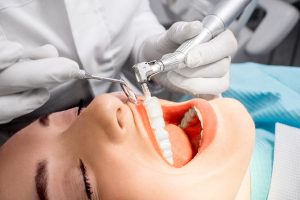
Next comes the scaling. Over time, soft plaque hardens into tartar (calculus). Once it has set like this, no amount of brushing will remove it. Special hand instruments and ultrasonic scalers are used to break up and remove this build up above and just below the gum line.
Taking that tartar away makes it harder for harmful bacteria to cling to the teeth and gums. This is likely to reduce inflammation and bleeding and makes it much easier for you to keep things clean between visits.
Polishing for a Smoother, Cleaner Surface
After the scale, your teeth are polished. This may be done with a rotating rubber cup and paste, or with air polishing equipment, depending on the practice and your needs. Polishing helps to remove some surface staining from tea, coffee, red wine or smoking and leaves the teeth feeling smooth and clean.
Because the surfaces are smoother, plaque finds it harder to stick, so daily brushing becomes more effective.
Tailored Advice You Can Actually Use at Home
A good hygienist appointment is not just about what happens in the chair. You should also come away with practical advice that fits your mouth and your routine. That might include:
- Which toothbrush and toothpaste are suitable for you.
- How to angle the brush for more effective cleaning along the gum line.
- Which size interdental brushes to use between specific teeth.
- Tips on diet, smoking and habits that may be affecting your gums.
Small changes to how you clean every day can make a big difference, and your hygienist is in a strong position to notice what is likely to help.
Signs You Might Be Overdue a Hygiene Visit
 If you are wondering whether you have left it too long, look out for some of these warning signs:
- Gums that bleed when you brush or floss, even a little.
- Persistent bad breath or a bad taste in your mouth.
- Yellow or brown deposits between teeth or around the gum line that do not shift with brushing.
- Teeth that feel “furry” or rough soon after you have brushed.
- Increasing sensitivity to hot, cold or sweet foods and drinks.
None of these automatically means you have serious gum disease, but they do suggest that plaque and tartar are building up and that a hygiene visit would be sensible.
Gum Health and the Bigger Picture
Healthy gums are not only about keeping your teeth in place, important as that is. Untreated gum disease can quietly progress in the background, eventually leading to bone loss and loose teeth. That is usually a slow process, but once the support around a tooth is lost it is not straightforward to reverse.
There is also growing evidence of links between long term gum inflammation and wider health, including heart disease and diabetes control. The science is still evolving, so it would be unwise to claim that cleaning your teeth prevents those conditions. Even so, keeping your mouth as healthy as possible is unlikely to do anything other than help.
Regular hygiene visits, combined with good home care, are one of the simplest ways to keep gum disease under control.
Cosmetic Benefits: More Than Just a Deep Clean
For many patients, the most noticeable change after a scale and polish is cosmetic. Staining from tea, coffee, red wine and smoking can make teeth look darker or patchy. Cleaning away the tartar and surface stain often makes the teeth look brighter, even without whitening.
It is worth remembering, though, that a scale and polish is not the same as professional whitening. Whitening changes the colour of the tooth itself using gels; hygiene treatment removes external build up and stain. The two can work very well together: having your teeth cleaned first gives a nicer starting point for whitening and may improve the overall result.
Even if you are not interested in whitening, fresher breath and a clean, smooth feel are usually a quiet confidence boost.
How Often Should You Have a Hygiene Visit?
There is no single rule that fits everyone. The right interval depends on:
- The current health of your gums.
- How quickly you build up plaque and tartar.
- Your general health and any medication you take.
- Whether you smoke or vape.
- How effectively you clean at home.
Some people may only need a hygiene visit once a year. Others, especially those with a history of gum problems, are often advised to attend every three months. A six month interval is quite common, but it is really just a guideline.
The best approach is to ask your dentist or hygienist what they recommend for you. They can review your mouth, your risk factors and your cleaning and suggest a schedule that is likely to keep things stable.
What to Expect If You Have Not Seen a Hygienist for a While
If it has been years since your last hygiene appointment, it is easy to feel worried or embarrassed. You might be concerned about being judged or about the treatment being uncomfortable.
In reality, dental teams are used to seeing all kinds of situations. The focus is on helping you move forwards, not telling you off for the past. If there are signs of more advanced gum disease, cleaning may need to be done in stages and you may need a more detailed programme of care.
Some people find parts of the treatment a bit sensitive, especially if the gums are already inflamed. Your hygienist can work gently, take breaks and, where needed, arrange local anaesthetic to make things more comfortable. Saying what you are worried about at the start is likely to help the team look after you in a way that feels manageable.
Keeping Your Mouth Fresher Between Visits
A great hygiene visit will give you a clean slate, but it is your daily routine that keeps things stable. A few simple habits can go a long way:
- Brush twice a day with fluoride toothpaste, taking at least two minutes and paying special attention along the gum line.
- Clean between your teeth daily with interdental brushes or floss. Your hygienist can suggest sizes and techniques.
- Watch your diet, especially frequent sugary snacks and drinks which feed plaque bacteria.
- Limit staining drinks like tea, coffee and red wine, or at least rinse with water afterwards.
- Avoid smoking or vaping if you can, as both are linked with gum problems and staining.
If you are unsure whether your technique is as effective as it could be, ask at your next appointment. A short demonstration can often clear up years of guesswork.
Ready to Book Your Next Hygiene Visit?
If you cannot remember when you last had a scale and polish, that in itself may be a sign you are due one. Short, regular hygiene appointments tend to be easier, more comfortable and more affordable than leaving things until there is a serious problem to fix.
If you would like to feel cleaner, fresher and more confident about your gum health, get in touch with the practice team and ask about booking a hygiene visit. Your future self is likely to be glad you did.