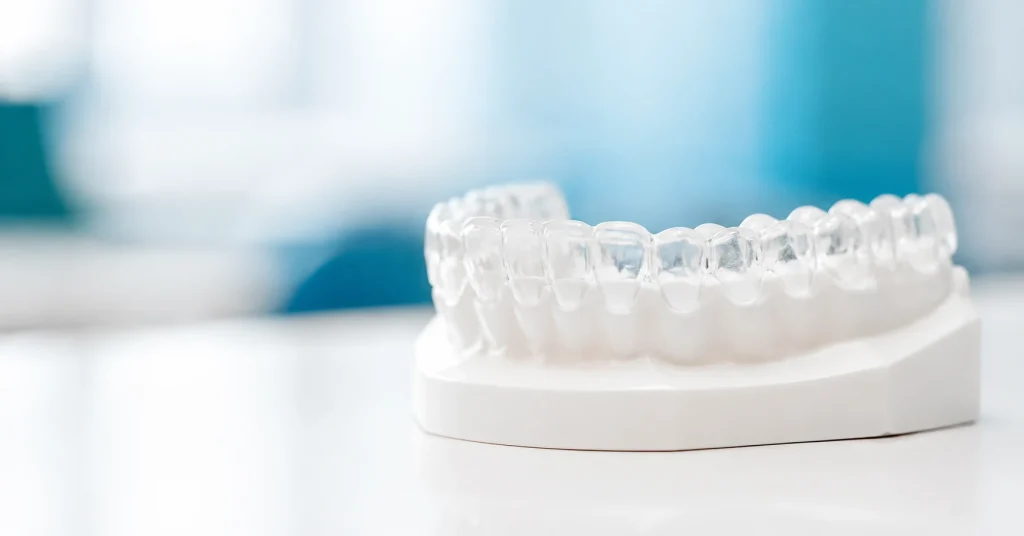
If you are thinking about clear aligners, you may be wondering whether they are only for crowded teeth, or whether they can also help close gaps. The reassuring answer is that aligner treatment is often used for both spacing and crowding concerns, provided the teeth, gums and bite are suitable.
The best way to know what is realistic is to have an orthodontic assessment, but understanding the basics can help you decide whether it is worth taking that first step. Here is how clear aligners may help with gaps, crowding and the everyday smile concerns that often come with them.
How clear aligners move teeth
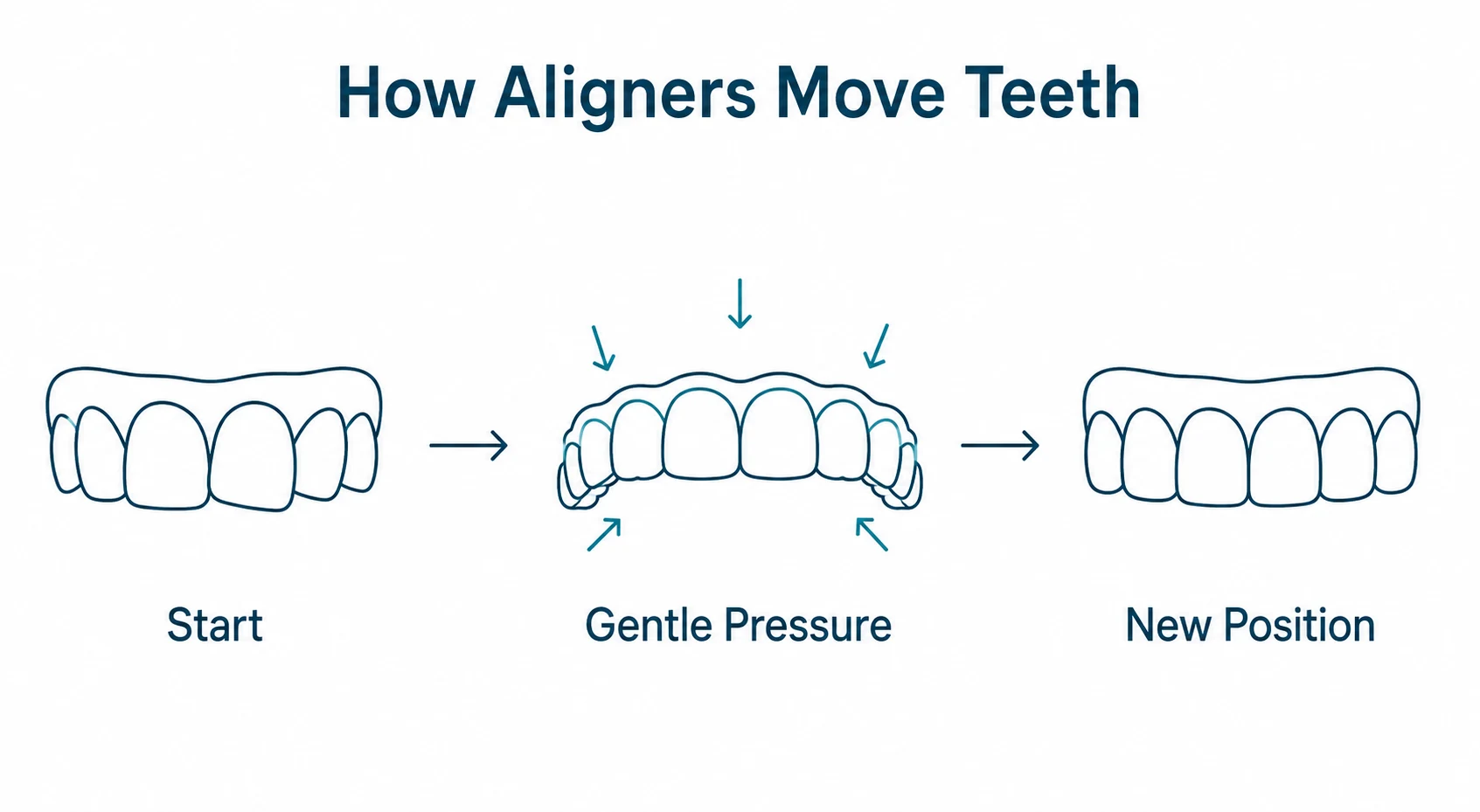
Clear aligners work by applying carefully planned pressure to teeth over a series of removable trays. Each aligner is shaped slightly differently, so the teeth are encouraged to move in stages rather than all at once. The aim is not simply to make the front teeth look straighter, but to guide the teeth into positions that work better for your smile, bite and oral health.
Before treatment begins, your dentist will assess your teeth, gums and jaw relationship. They will look at crowding, spaces, tooth shape, bite position and whether any dental health issues need attention first. This matters because successful teeth straightening depends on more than the aligners themselves. Healthy gums, stable teeth and a realistic plan are all important.
At Portland Street Dental, patients considering Invisalign and Spark aligners can be assessed for clear aligner suitability and guided through what the treatment may be able to achieve for their own smile.
Can clear aligners close gaps between teeth?
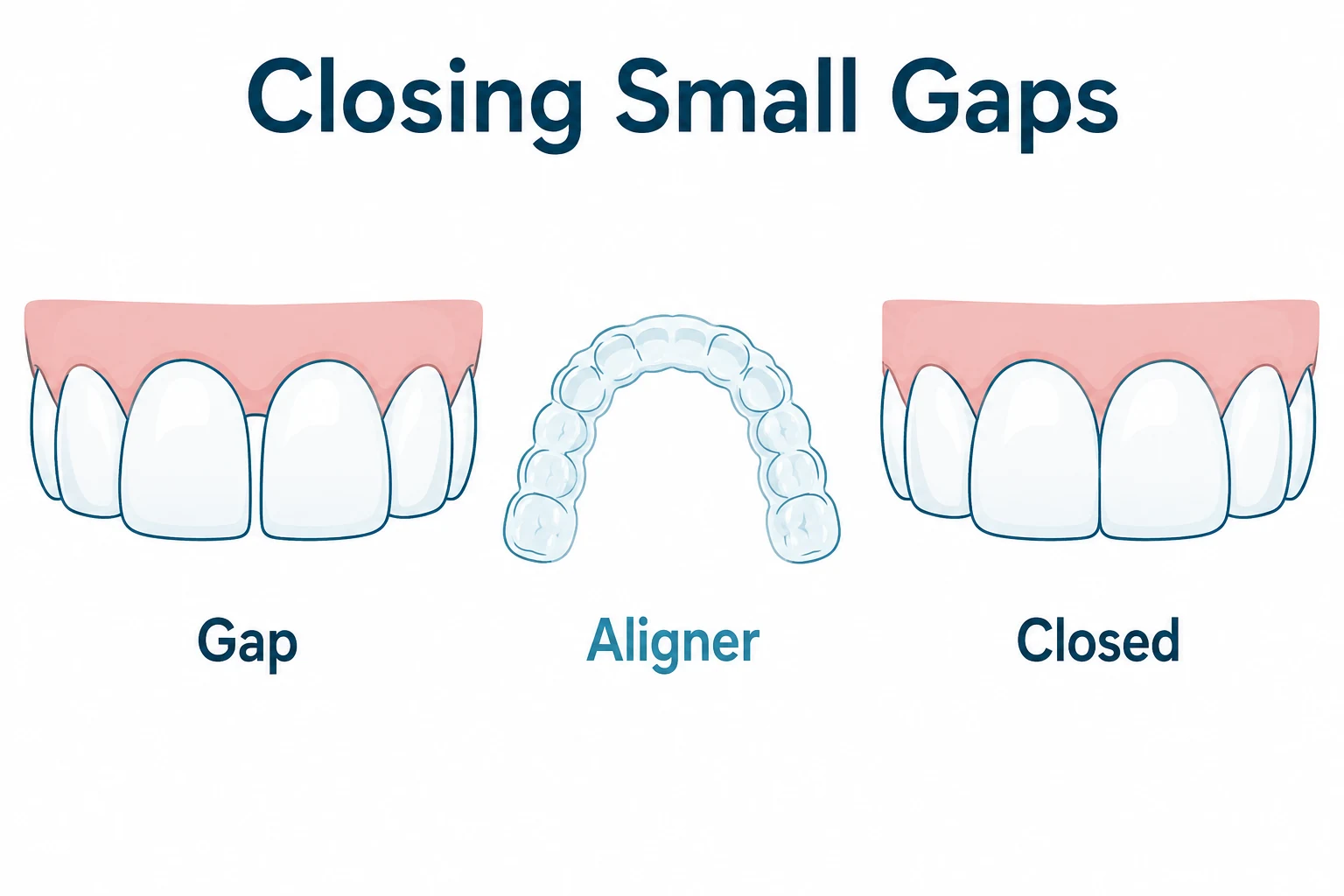
Clear aligners can often help close small to moderate gaps between teeth. These spaces may appear between the front teeth, between several teeth, or around teeth that are narrower than average. Aligners can move teeth closer together gradually, which may improve the overall balance of the smile.
Gaps can have different causes, so the right treatment plan depends on why the space is there. Some gaps are mainly due to tooth position. Others are linked to tooth size, gum shape, missing teeth, bite forces or habits that place pressure on the teeth. In some cases, closing a gap completely may not be the best answer if it would affect the bite or leave the teeth looking out of proportion.
Your dentist may also discuss whether another treatment could be useful alongside aligners. For example, if a gap is partly caused by small tooth size, edge bonding or reshaping may sometimes help refine the final appearance. If a gap is related to a missing tooth, the treatment plan may need to consider replacement options too, rather than simply moving neighbouring teeth into the space.
The important point is that gaps are not automatically a reason to rule out clear aligners. They are a reason to have a proper assessment, so the space can be understood and managed in a way that protects the function and appearance of your smile.
Can clear aligners improve crowded teeth?
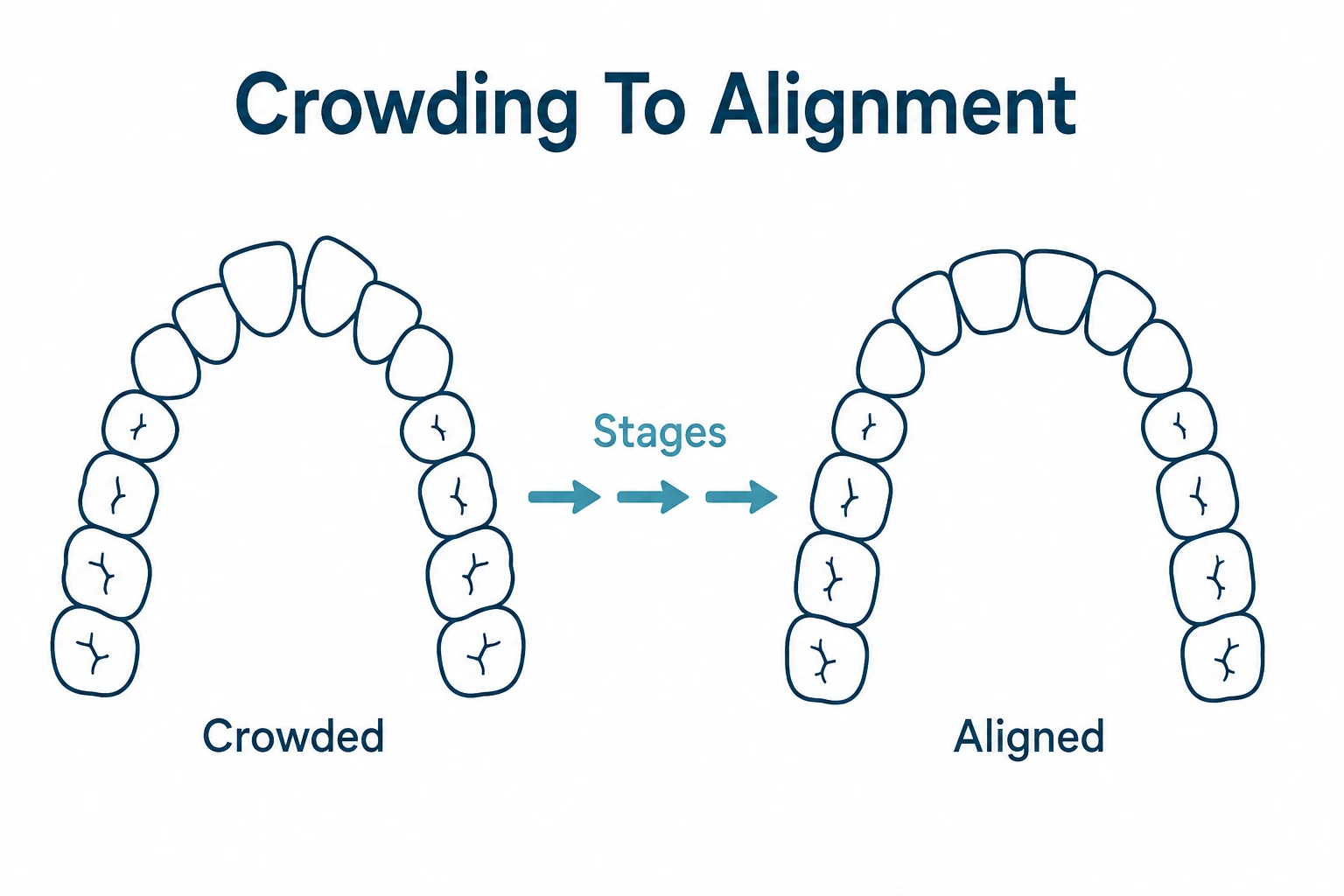
Crowding happens when there is not enough room for teeth to sit neatly in the arch. It can make teeth overlap, twist, lean or appear uneven. Clear aligners are often used to treat mild to moderate crowding by creating and using space carefully, then guiding teeth into improved positions.
There are several ways a dentist may plan space during aligner treatment. Teeth may be moved slightly wider within safe biological limits, tilted more favourably, or adjusted with very small amounts of enamel polishing between selected teeth where appropriate. The plan depends on the amount of crowding, the shape of the teeth and the bite.
Crowding is not only a cosmetic concern. Overlapped teeth can be harder to clean thoroughly, which may make plaque control more difficult. Straighter teeth can sometimes make brushing and interdental cleaning easier, although good daily care remains essential during and after treatment.
Clear aligners may be especially appealing to adults who want a discreet option for alignment. They are removable for eating, drinking and cleaning, which many patients find convenient. They do still need commitment, as aligners must be worn as instructed for treatment to progress as planned.
What types of spacing and alignment concerns may be suitable?
Clear aligners can be considered for a range of common concerns, although every case is different. Some patients want to close a visible front gap. Others want to smooth out mild crowding, bring a rotated tooth into line, improve symmetry, or make teeth easier to clean.
Concerns that may be suitable for clear aligner assessment include:
- Small gaps between the front teeth
- Several minor spaces across the smile
- Mild to moderate crowding
- Teeth that are slightly rotated or tipped
- Relapse after previous orthodontic treatment
- Alignment issues that affect cleaning or smile confidence
Some cases need more detailed planning. Larger gaps, significant bite problems, heavily rotated teeth, advanced gum issues, impacted teeth or complex tooth movement may require a different orthodontic approach or a combined plan. That does not mean treatment is out of reach. It means the assessment needs to be honest about what will give the best result.
If you are weighing up different options, a broader look at orthodontics can help you understand how clear aligners sit within the wider range of teeth straightening treatments.
When clear aligners may not be the whole answer
Clear aligners are versatile, but they are not magic trays. Some smile concerns are caused by more than tooth position alone. For example, a gap may be linked to tooth shape, gum recession or a missing tooth. Crowding may be made more complicated by bite depth, jaw relationship or previous dental work.
This is why a good consultation should include a full dental assessment, not just a quick glance at the visible front teeth. Your dentist may check gum health, tooth mobility, existing fillings or crowns, bite forces and whether any treatment is needed before aligners begin. If decay, gum inflammation or other dental issues are present, those should usually be stabilised first.
Sometimes, the most attractive result comes from combining treatments in a careful sequence. Teeth might be aligned first, then whitening or small cosmetic refinements may be considered once the teeth are in a better position. If you are also thinking about shade improvement, it may be useful to understand how teeth whitening fits around other dental treatments.
A proper plan should also include retention. After aligner treatment, teeth need retainers to help maintain their new positions. This is a normal part of orthodontic care and should be discussed before treatment starts, so you know how to protect the result.
How to decide whether an assessment is worthwhile
If a gap or crowding issue bothers you, an assessment is usually worthwhile. You do not need to know in advance whether you are an ideal clear aligner candidate. That is what the consultation is for.
It may be particularly sensible to book an assessment if you have noticed spaces getting larger, crowding becoming more obvious, food trapping between teeth, difficulty cleaning overlapped areas, or a change in the way your teeth meet. These signs do not always mean something serious is happening, but they are good reasons to ask for professional advice.
During an assessment, you can expect a discussion about what you would like to change, what is clinically possible and whether clear aligners are a suitable route. You should also be told if another option may serve you better. A reassuring consultation is one that gives clear guidance, not pressure.
If you are comparing aligner systems, Portland Street Dental also has a helpful guide to Invisalign vs Spark aligners, although your own suitability will always depend on your teeth, bite and treatment goals.
- Clear aligners can often help with both gaps and crowded teeth, depending on the cause and complexity.
- Small to moderate spaces may be closed with carefully planned tooth movement.
- Crowding can often be improved by creating space safely and guiding teeth into better positions.
- A dental assessment is essential because gaps, crowding and bite issues can have different causes.
- Retention after treatment helps maintain the new tooth positions.
Frequently asked questions
Can clear aligners close a gap between my front teeth?
They often can, especially when the gap is small to moderate and mainly caused by tooth position. Your dentist will need to check tooth size, gum health and bite before confirming what is realistic.
Are clear aligners only for mild crowding?
Clear aligners are commonly used for mild to moderate crowding, and some more involved cases may also be suitable with careful planning. Suitability depends on the amount of movement needed and the overall bite.
Will I need other dental treatment as well as aligners?
Some patients only need aligners, while others may benefit from treatment before or after alignment, such as gum care, repairs, whitening or small cosmetic refinements. Your dentist will explain this after assessment.
Do teeth stay in place after clear aligner treatment?
Teeth need retainers after orthodontic treatment to help maintain their new positions. Retainers are an important part of protecting the result.
Ready to find out what clear aligners could do?
If you have gaps, crowded teeth or both, Portland Street Dental can assess your smile and explain whether clear aligners are a suitable option for you.